7 Signs Your E-Bike Battery Needs Replacement: Lifespan, Warning Signs, and Solutions

Your e-bike’s battery is the foundation of every ride. It determines how far you can travel, how efficiently your motor performs, and how reliable your bike remains over time. From daily commutes to long-distance adventures, battery health plays a critical role in maintaining consistent performance.

Like all lithium-ion batteries, e-bike batteries gradually lose capacity as they age. This is a natural process influenced by usage patterns, charging habits, and environmental conditions. Recognizing early warning signs allows riders to plan ahead, maintain safe performance, and avoid unexpected interruptions during a ride.

This guide explains the typical lifespan of e-bike batteries, the most common warning signs of battery degradation, and practical solutions to keep your FREESKY e-bike performing reliably.

Understanding E-Bike Battery Lifespan

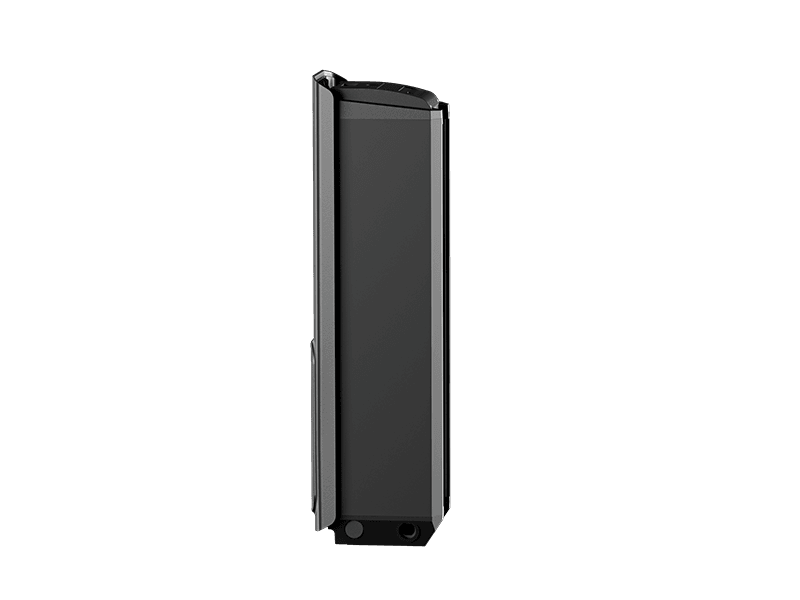
Most modern e-bike batteries are built using lithium-ion cells and are designed to last three to five years under normal riding conditions. In terms of usage, batteries typically support 500 to 1,000 full charge cycles before noticeable capacity loss occurs.

However, real-world battery lifespan depends on several factors:

- Charging frequency and habits

- Storage temperature and environment

- Riding style and motor load

- Battery capacity and design

Higher-capacity battery systems can reduce strain on individual cells during daily use. For example, FREESKY e-bikes utilize large-capacity lithium-ion battery systems designed for extended range and durability. Models such as the Warrior Pro feature a 48V 30Ah Samsung battery, while long-range models like the Alaska Pro use a dual-battery configuration with up to 41Ah capacity to support longer rides.

Even with advanced battery systems, recognizing signs of aging remains important.

7 Signs Your E-Bike Battery Needs Replacement

1. Noticeably Reduced Riding Range

A sudden or consistent drop in riding range is one of the earliest indicators of battery degradation.

If your e-bike previously delivered long distances on a single charge but now requires frequent recharging under similar conditions, the battery may be losing capacity.

Common indicators include:

- Shorter distance per charge

- Frequent charging after moderate rides

- Difficulty completing your usual commute

While gradual range reduction is normal over time, a sharp decline may signal that the battery is nearing the end of its useful lifespan.

2. Inconsistent Power Assistance

A healthy battery delivers stable current to the motor. When battery cells begin to age unevenly, power delivery may become inconsistent.

Riders may notice:

- Motor assistance cutting out intermittently

- Sudden fluctuations in power levels

- Reduced climbing performance even on higher assist modes

This issue can be more noticeable on high-performance e-bikes that require stronger current delivery, particularly dual-motor systems such as the FREESKY Warrior Pro.

3. Charging Takes Longer Than Before

Another common warning sign is a gradual increase in charging time.

Lithium-ion batteries develop higher internal resistance as they age, which reduces charging efficiency.

Signs may include:

- Charging takes significantly longer than before

- The battery struggles to reach full capacity

- The charger remains warm for extended periods

Occasional variation is normal, but consistent charging delays may indicate aging cells.

4. The Battery Gets Unusually Hot

Some warmth during charging or high-power riding is normal. However, excessive heat can indicate internal resistance or cell imbalance.

Watch for:

- Battery becoming unusually hot during moderate rides

- Heat persisting long after charging finishes

- Certain areas of the battery casing feeling hotter than others

Frequent overheating should be investigated by a qualified technician.

5. Visible Damage or Battery Swelling

Physical damage is one of the clearest signs that a battery should be replaced immediately.

Inspect your battery for:

- Swelling or bulging casing

- Cracks or dents

- Difficulty fitting the battery securely into its mount

Swelling may occur when internal chemical reactions generate gas inside the battery cells. If this occurs, the battery should not be used further.

6. Battery Age Exceeds Typical Lifespan

Even if a battery appears functional, age alone can reduce reliability.

After three to five years, lithium-ion batteries may experience accelerated chemical degradation regardless of how carefully they have been maintained.

Factors that accelerate aging include:

- Frequent deep discharges

- Storage in extreme temperatures

- Long periods of inactivity

Monitoring battery age alongside performance helps determine when replacement may be necessary.

7. Error Codes or Battery Warnings

Modern e-bikes often include diagnostic systems that detect battery irregularities.

Possible warning signs include:

- Error codes appearing on the display

- Battery percentage changing suddenly

- The system shutting down unexpectedly

FREESKY e-bikes include an integrated Battery Management System (BMS) that monitors voltage, temperature, and current conditions to protect the battery from overcharging, overheating, and electrical faults. When abnormal behavior is detected, the system may trigger warnings to prevent further damage.

Solutions: What to Do If Your Battery Is Failing

If you suspect battery degradation, a few steps can help determine the cause and next actions.

1. Verify Your Battery Performance

Fully charge the battery and test your typical riding range. Compare it with previous rides under similar conditions.

2. Inspect Connections and Components

Check battery contacts and mounts for dirt, moisture, or loose connections. These issues can sometimes mimic battery problems.

3. Contact Professional Support

Battery packs are sealed systems and should not be opened or repaired by users. If issues persist, contacting the manufacturer or an authorized service center is recommended.

4. Consider Battery Replacement

Replacing an aging battery restores original riding range and motor performance. When replacing a battery, always use manufacturer-approved components to ensure compatibility and safety.

Tips to Extend the Life of Your Next Battery

Although battery replacement is eventually inevitable, proper care can significantly extend lifespan.

Follow these recommended practices:

- Charge to 80–90% for everyday riding

- Avoid storing the battery at 0% charge

- Store batteries between 50°F and 77°F (10°C–25°C)

- Keep battery contacts clean and dry

- Use only manufacturer-approved chargers

Combined with responsible riding habits and proper storage, these practices help maintain stable battery performance for years.

Frequently Asked Questions

How long does an e-bike battery usually last?

Most lithium-ion e-bike batteries last three to five years or approximately 500 to 1,000 charge cycles, depending on usage, charging habits, and environmental conditions.

Higher-capacity batteries may maintain usable range longer because daily riding places less strain on individual cells.

Can an e-bike battery be repaired instead of replaced?

In most cases, e-bike batteries are not designed for user repair. Battery packs contain multiple sealed cells and protective electronics. Attempting to open or repair the battery may create safety risks. Professional inspection or replacement is usually recommended.

Does cold weather damage an e-bike battery?

Cold weather typically reduces available range temporarily but does not permanently damage the battery. Low temperatures slow the chemical reactions inside lithium-ion cells. Once the battery warms to moderate temperatures, performance generally returns to normal.

How can I tell if reduced range is caused by riding conditions?

Range can vary due to factors such as:

- Cold temperatures

- Strong headwinds

- High pedal-assist levels

- Frequent hill climbing

- Low tire pressure

If reduced range occurs consistently under normal conditions, the battery may be aging.

Conclusion

E-bike batteries naturally degrade over time, but recognizing the early warning signs helps riders stay prepared. Reduced range, inconsistent motor assistance, longer charging times, and physical damage are among the most common indicators that a battery may be nearing the end of its lifespan.

With proper charging habits, responsible riding practices, and high-quality battery systems like those used in FREESKY e-bikes, riders can maintain reliable performance for years. Monitoring battery health and addressing issues early ensures every ride remains smooth, efficient, and dependable. 🚲⚡

Leave a comment

More Posts

A Professional Racer’s Real-World Ride on FREESKY — Paul Rennie Rides the Warrior Pro at Lee Quarry and the Sankey Canal

Mar 15, 2026

I’m Paul Rennie, a professional racer, and most of my life revolves around speed, machines, and pushing equipment to its limits. Race circuits are familiar territory, but sometimes the best rides happen far away from the track. Recently, I started putting my Freesky Warrior Pro through what I’d call an extended real-world test across the rugged landscapes of northwest England. I bought the bike with a simple goal in mind — something capable of going anywhere. So far, it’s doing exactly that. A Baptism of Fire at Lee Quarry One of the first serious tests took place at Lee Quarry, a well-known riding spot in the northwest of the UK. If you’ve ridden there before, you’ll know it’s not exactly forgiving. The quarry is extremely steep and rocky, with loose surfaces that quickly show what a bike is made of. “It was a real baptism of fire at Lee Quarry,” I remember thinking. Before the ride, I replaced the rear suspension with an air rear shock absorber, and that upgrade proved worthwhile almost immediately. The terrain was brutal in places, but the Warrior Pro stayed stable and controlled across the rocky climbs and descents. By the end of the session, one thing was clear: “The Warrior has done everything I’ve asked of it — and more.” Exploring the Historic Sankey Canal The following ride couldn’t have been more different. Instead of hardcore quarry terrain, I headed out on an off-road exploration along the route of the old Sankey Canal, originally built in 1757. It’s widely considered the first canal constructed in Great Britain since Roman times, and the first designed specifically to serve the Industrial Revolution. Long stretches of the canal route still survive today. If you know where to look, there are plenty of visible reminders of Britain’s industrial past hidden along the trail. One of the highlights is riding beneath the impressive Sankey Viaduct, built by legendary engineer George Stephenson for the Liverpool and Manchester Railway — the world’s first intercity railway. Passing underneath it, you can’t help but feel surrounded by history. Mud, Water, and Real Trail Conditions It feels like it has been raining for months here in northwest England, and the trail conditions definitely reflected that. Large sections of the route were covered in deep mud and standing water, turning parts of the ride into a proper off-road challenge. But the Warrior Pro simply ploughed straight through it without breaking a sweat. The bike’s dual-motor, two-wheel-drive system makes a huge difference when things get messy. Instead of losing traction in the mud, the bike just keeps pushing forward with confidence. It also drew plenty of comments along the way. The Warrior Pro isn’t exactly subtle — it’s definitely a big bike with a big personality, and people tend to notice it. Ride Stats By the end of the ride: - Distance covered: 25 miles - Terrain: Quarry rock, muddy trails, and canal paths - Battery remaining: 78% Considering the challenging terrain and conditions, finishing the ride with that much battery left was impressive. Why the Warrior Pro Works for Challenging Terrain As someone used to high-performance machines, I appreciate equipment that performs under pressure. What stands out about the Freesky Warrior Pro is how confidently it handles difficult terrain. From steep rocky quarry climbs to mud-covered canal trails, the bike delivers the traction, stability, and power needed for real off-road riding. It’s exactly the kind of machine you want when the route ahead is unpredictable. Still Testing — and Still Impressed The Warrior Pro was purchased with one goal: a bike capable of going anywhere. So far, it’s living up to that expectation. From the brutal terrain of Lee Quarry to the muddy historic trails along the Sankey Canal, it continues to handle everything I throw at it. And the more I ride it, the more I enjoy it. The extended testing is definitely ongoing. Rider Profile Name: Paul RennieProfession: Professional RacerLocation: Northwest EnglandFavorite Terrain: Quarry Trails & Historic Canal RoutesBike: Freesky Warrior Pro “The more I ride this bike, the more I love it.” Discover the Freesky Warrior Pro Built for riders who want power, control, and the confidence to tackle challenging terrain, the Freesky Warrior Pro is designed for real off-road adventures — from rocky climbs to muddy trails. 👉 Start your own adventure beyond the pavement.

Read More

Finding Spring Along the Humber River: A Toronto eBike Ride Story

Mar 12, 2026

I’m Marcel A Rubia, a 56-year-old musician living in Toronto. Much of my time is spent composing, rehearsing, or performing, but whenever I can step away from the music studio, I like to explore the city on my FREESKY Cheetah MT-380. Riding through Toronto has completely changed the way I experience the city. After a long Canadian winter, early spring rides feel especially rewarding. What used to be short trips by car or public transit have turned into daily rides that let me see the city from a completely different perspective. With its fat-tire setup, the Cheetah handles everything Toronto throws at you—from busy downtown streets to waterfront trails and the unpredictable conditions that come with the first weeks of spring. A Stop Along the Humber River On this particular ride, I made my way toward the Humber River, one of my favorite places to ride in the city. Spring snowmelt had the river running high, and the water was rushing powerfully over the dam. It was one of those moments that makes you stop riding for a minute. I stepped off the bike, leaned it against the railing, and watched the water surge downstream. After months of snow and cold, seeing the river flowing so strongly felt like the clearest sign that spring had finally arrived in Toronto. Upgrading for the Ride This year I upgraded my bike with HEB Allscapes tires, and the improvement was noticeable right away. The added grip and stability make riding over rough pavement, gravel paths, and even Toronto’s infamous potholes feel much more controlled. With that extra confidence, I’ve started riding farther than before—exploring new routes along the Humber River trails, cruising along the waterfront, and discovering different corners of the GTA that I might have otherwise missed. Building a Toronto eBike Community What started as simple weekend rides has gradually grown into something more meaningful. My friend Greg, who is also a proud FreeSky rider, and I have been connecting with other eBike riders around Toronto. Little by little, we’re building a small Toronto eBike community. We’ve begun organizing casual ride-outs where people can meet, share tips, compare bike setups, and simply enjoy exploring the city together. Spring in the City Spring is finally returning to Ontario. The snow is melting, rivers are running high, and the city’s trails are starting to fill with riders again. There’s something special about getting back on the bike after a long winter—feeling the cool breeze, watching the trees slowly turn green, and seeing Toronto come alive again. If there are other FREESKY riders in Toronto or anywhere in the GTA, we’d love to connect and organize more community ride-outs this season. The more riders we have, the more routes we can explore together.

Read More

A Perfect Spring Ride Along the Missouri River

Mar 11, 2026

I’m Dan Ammons, 48 years old, and a Vice President at a major airline. Most of my days are spent traveling between airports and juggling schedules, but on a quiet spring morning along the Missouri River, I decided to trade the hectic pace of work for something far more relaxing—a ride along the river trails on my Freesky Swifthorse. Early spring had finally brought one of those days when the air feels warm again. The sky was clear, with only a few thin clouds drifting overhead, and sunlight reflecting off the river made the water look almost silver. It felt like the perfect morning to get outside and ride. Riding Along the Missouri River I started my ride late in the morning when the temperature was just right—cool enough to feel refreshing but warm enough to ride comfortably without heavy layers. The trail runs right alongside the Missouri River, and for long stretches I could see the water flowing quietly beside me. Cottonwood trees lined parts of the path, their branches stretching over the trail. Birds occasionally flew low across the river or settled in the trees above. Along the banks, a few fishermen were casting their lines, and I even spotted a couple of kayakers drifting slowly downstream. It was one of those peaceful scenes that makes you slow down and take it all in. Exploring Mixed Terrain Trails The trail offered a mix of surfaces. Some sections were smooth gravel, perfect for cruising, while others branched into more rugged MTB-style trails. That’s where the Freesky suspension really started to shine. When the terrain became rougher—with loose rocks, uneven dirt, and shallow ruts—the ride stayed surprisingly smooth. I rolled over exposed tree roots and small dips that almost felt like natural rollers. A few short rises turned into little jumps, and the bike absorbed the landings effortlessly. Climbing the short hills along the trail felt easy with the motor assist. Instead of feeling like work, the climbs became part of the adventure, making it easy to explore side trails without worrying about running out of energy. Crossing the Creek Bridge One of the highlights of my ride was crossing a narrow wooden bridge over a small creek that feeds into the Missouri River. The water below was clear enough to see rocks and leaves drifting slowly with the current. After crossing the bridge, the trail climbed gently into a wooded section where the ground was covered with last fall’s leaves. The smell of fresh earth and trees filled the air as I pedaled through. A Scenic Overlook Stop Eventually, the trail opened up to a small overlook with a wide view of the Missouri River. I leaned my bike against the railing and took a moment to enjoy the scenery. The river moved slowly below, winding for miles between the trees. It was quiet except for the wind in the branches and the occasional sound of a boat passing in the distance. On the way back, the trail had grown a bit busier as more people came out to enjoy the afternoon. Families walked their dogs, cyclists cruised along the riverside path, and a few kids were skipping stones near the shore. Why I Love This Ride By the time I finished, it felt like one of those rides that remind you why getting outdoors matters. Great weather, peaceful river views, and a trail that offered a little bit of everything—smooth paths, wooded sections, and fun MTB terrain. And with the Freesky Swifthorse, the entire ride felt smooth, comfortable, and genuinely fun from start to finish. Rider Profile Name: Dan Ammons Age: 48 Profession: Vice President at a major airline Favorite Ride: Missouri River Trail Bike: Freesky Swifthorse “After spending most of my time around airports and schedules, a quiet ride like this is the perfect way to slow down and enjoy the day.” Discover the Freesky Swifthorse Whether you're exploring river trails, wooded paths, or mixed-terrain rides, the Freesky Swift Horse Pro is built to handle it all with comfort and control. 👉 Explore the Swifthorse and start your own adventure.

Read More

0
Bike Comparison