






FREESKY Alaska Dual Battery FAQ: How the System Works, Range Explained & Battery Questions Answered
JUN 10, 2026
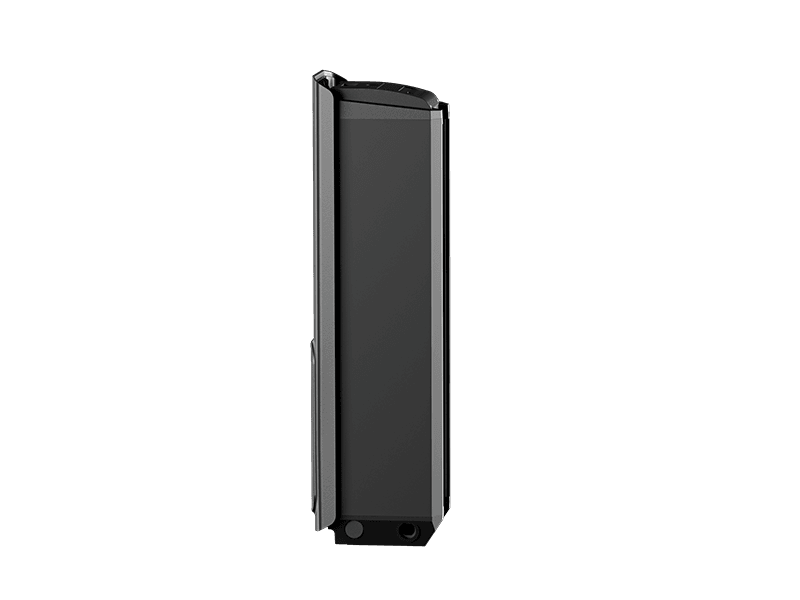
One of the most common questions about the FREESKY Alaska series is not about speed or motor power—it’s about how the dual-battery system actually works in real-world use.
Can the bike run on just one battery? What happens if one battery fails? Why do some units use 18Ah + 23Ah while others use 18Ah + 27Ah? And how far can you really ride on a single charge?
This guide explains the Alaska dual-battery system in a simple, practical way so riders can understand how the system behaves before and after purchase.
Understanding the Alaska Dual-Battery System
The Alaska series uses a dual-battery architecture to extend riding range and improve flexibility.
Depending on production batch and configuration, the system may include:
Battery Configurations
| Configuration | Structure | Total Capacity |
|---|---|---|
| Standard System | 18Ah + 23Ah | 41Ah |
| Upgraded System | 18Ah + 27Ah | 45Ah |
Both systems follow the same working principle: two independent batteries working within one eBike system.
👉 You can view the latest configuration on the Alaska product page.

How Does the Dual-Battery System Work?
The Alaska dual-battery system is designed to manage power automatically.
In normal riding conditions:
- The system draws power from the batteries in a controlled way
- No manual switching is required
- Riders do not need to operate batteries separately
- The system ensures stable output during riding
Key point:
👉 The dual-battery system is designed for extended range, not increased speed
Do Both Batteries Need to Be Installed or Working?
No.
The bike can operate with only one working battery.
If one battery is removed, damaged, or not functioning:
- The remaining battery can still power the bike
- Pedal assist and throttle functions remain available
- The bike can still be used normally
If One Battery Fails, Can I Still Ride?
Yes.
As long as one battery is functional, the bike can continue operating.
Common situations include:
- One battery stops charging
- One battery is removed for servicing
- One battery reaches end of lifespan
In all cases, the remaining battery can still power the system.
Do I Need to Replace Both Batteries If One Fails?
No.
Each battery in the Alaska system is independent.
If one battery fails:
- You only need to replace the defective one
- The other battery can continue being used normally
This reduces maintenance cost and avoids unnecessary replacement.
How Far Can You Ride with One Battery vs Two Batteries?
Range depends on configuration, riding mode, and conditions.
Standard System (18Ah + 23Ah)
| Setup | Estimated Range* |
|---|---|
| 18Ah Battery Only | 45–80+ miles |
| 23Ah Battery Only | 60–100+ miles |
| Dual Battery | Up to 160 miles |
Upgraded System (18Ah + 27Ah)
| Setup | Estimated Range* |
|---|---|
| 18Ah Battery Only | 45–80+ miles |
| 27Ah Battery Only | 70–120+ miles |
| Dual Battery | 120–200+ miles |
*Actual range varies based on rider weight, terrain, wind, temperature, tire pressure, and assist level.
👉 Full product details: Alaska Pro product page.
Why Do Two Alaska Systems Have Different Battery Capacities?
The difference between 41Ah and 45Ah systems comes from:
- Different production batches
- Continuous product optimization
- Improved lower-frame battery capacity
However, both systems share the same core design philosophy:
- Dual independent batteries
- Same riding behavior
- Same operational logic
The difference mainly affects total range potential, not usability.

Is the Advertised 120–200+ Mile Range Real?
Yes, but only under optimized riding conditions.
Maximum range is typically achieved with:
- Low pedal assist levels (PAS 1–2)
- Flat or mild terrain
- Moderate riding speed
- Proper tire pressure
- Efficient riding style
Real-world range will vary based on usage habits.
Does Throttle-Only Riding Reduce Range?
Yes, significantly.
There are two main riding modes:
Pedal Assist (PAS): rider + motor share workload
Throttle Only: motor provides full power
Range impact:
| Mode | Range Impact |
|---|---|
| Low PAS | Maximum efficiency |
| Medium PAS | Balanced performance |
| High PAS | Reduced range |
| Throttle Only | Shortest range |
If maximum mileage is the goal, pedal assist is recommended.
Does One Battery Affect Speed or Power?
No.
Top speed and motor output are controlled by the motor and controller system.
Battery configuration mainly affects:
- Riding range
- Charging frequency
Not performance or speed.
Do I Need to Charge Both Batteries Together?
No.
You can:
- Charge both batteries at the same time
- Charge individually
- Charge only one battery if needed
For long-term balance, keeping both batteries at similar charge levels is recommended.
Why Use a Dual-Battery System Instead of One Large Battery?
The dual-battery system offers:
- Better weight distribution
- Easier battery replacement
- Increased flexibility
- Higher total energy capacity
- Redundancy (one battery can still run the bike)
This makes the system more practical for long-distance riding.
Final Thoughts
The FREESKY Alaska dual-battery system is designed to balance long-range capability with real-world usability.
Key takeaways:
- Alaska uses either 18Ah + 23Ah (41Ah) or 18Ah + 27Ah (45Ah) configurations
- The bike can operate with only one battery
- You do not need to replace both batteries if one fails
- Dual batteries primarily increase range, not speed
- Throttle-only riding results in shorter range than PAS riding
- The system is designed for flexibility, redundancy, and long-distance riding
View full specifications on the Alaska product page
Share


2 Comments
Dean coles Dean coles
Can you also do a detailed explanation for the wzrrior
Timothy Reynolds
Great information thank you so much for the information help and advice