How to be a free and cool mountain rider?

Do you like hiking?Are you an enthusiast of the mountaineering sports? Or do you want to become a free and cool rider?

You can think about these three questions above before riding this article.

Choose a suitable mountain e-bike is the first step to be a free rider

Mountain e-bike is the best vehicle for us to enjoy the mountaineering sports, no matter for the young or for the old. In addition, to certain extent, it can stimulate our interest in mountaineering. A suitable mountain e-bike can make our travel safer and farther comparing with the traditional mountain bike.

1. Learn more about the battery and motor.
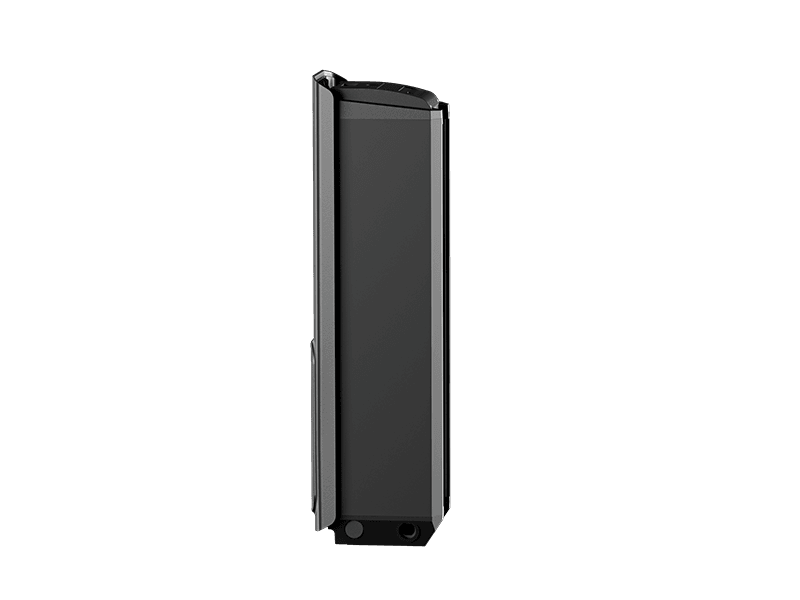
Now there are many different brands of battery, like Samsung, LG or some other unknown brands. A brand battery will have less problems and need less maintenance. Besides, the battery capacity is another point which you need to concern before your purchase. There are different capacities: 36V or 48v; 10.4Ah, 11.6Ah, 15Ah, 17Ah, 20 Ah and so on. The higher the voltage, the stronger power the motor will be. The bigger capacity of the battery, the longer range you will get.
For the motor, we have many different choices, like 350W, 500W, 750W and 1000W etc. The motor type will decide the power and speed. Normally the higher Watt motor will get higher speed.
However, if the speed goes to an extreme, it will exhaust the battery soon. Normally faster speed, less range. Therefore, it is necessary for us to choose a suitable e-bike according to our requirements.
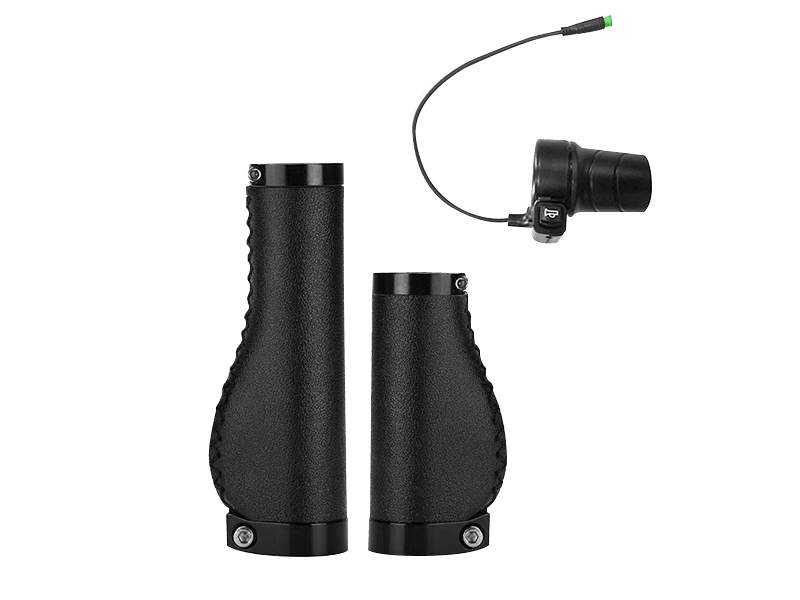
2. Know more about the throttle and the shifter, which will help us adjust the speed when we ride. Most e-bike is equipped with a throttle which can control the speed by holding the button swiftly. If you press the button to the end, it will go to the fastest speed. For the shifter, when you drive uphill, you will need more power. At this time, you may switch to gear 7 to get faster speed. However, if you want to ride it with less pressure, you can switch to gear 1. Please make sure don’t switch more than 2 gears at a time.
3. The brakes are most important, because it can ensure our safety when the danger is coming. Actually, the safety of an e-bike depends on the working condition of brakes. Now these two types of brakes system are popular: hydraulic disc brakes and mechanical disc brakes. If you have enough budget, you can choose the hydraulic disc brakes, which has better braking performance.
4. The wheel size, the tire and its tread
Generally, a large number of e-bikes have 26inch wheel fat tire. But if you want roll over the mountain terrain, you can choose either 27.5inch or 29inch wheels.
Try to choose the e-bike with more tread to increase the friction, which is good to our safety under the raining day, snow and other extreme weather conditions.

Choose the mountain e-bike with cool looks

No matter for man or for women, an e-bike with a fashionable color and design may catch passengers’ eyes. It is amazing and cool to take the pretty bike to travel with your lover and your friends. Some customers may have some doubts: I don’t like the normal or popular color and design which are sold by most suppliers…

Don’t worry, my dear friends, you can choose the store or brands which can provide you with customized services. If you have strong hands-on ability, you can also DIY your bike or simply make some stickers on the bike. That will look awesome.

Conclusion

The cool electric bicycle has become our friend, which accompanies us in the farther and happy mountain travel. If you want to enjoy the free and cool tour with your families, friends and lovers, if you want to stay healthy, if you desire for freedom, choose a suitable e-bike. Freesky offer all kinds of e-bikes that will good for all terrains, and feel free to contact us at servic@freeskycycle.com.


Write by Frida

More Posts

What’s the Difference Between a 750W and a 1000W E-Bike Motor?

Jan 08, 2026

Choosing an e-bike often comes down to one key question: 750W or 1000W?At first glance, the numbers may seem close, but the difference in motor power can significantly affect how an e-bike feels on the road—or on the trail 🚲. Motor wattage influences acceleration, climbing ability, top speed, and even long-term riding comfort. Whether you’re commuting through city streets or tackling steep off-road terrain, understanding these differences will help you choose the right setup for your riding style. What Does Motor Wattage Actually Mean? Motor wattage (measured in watts, W) indicates how much power an e-bike motor can deliver. In simple terms, it reflects how much assistance the motor can provide per second. Higher wattage generally means: - Stronger acceleration - Better hill-climbing ability - Higher potential top speed The reason the market commonly offers 750W and 1000W options comes down to three factors: - Different riding scenarios and user needs - Regional regulations and legal limits - Balancing performance with energy efficiency Unlike traditional bicycles that rely solely on pedaling, an e-bike’s wattage plays a major role in defining the overall riding experience. Performance Comparison: Power vs Efficiency Top Speed & Acceleration - 750W e-bikes typically reach 20–28 mph (32–45 km/h) - 1000W e-bikes can reach 28–35 mph (45–56 km/h) when unrestricted Acceleration also differs noticeably: - 1000W models often reach 20 mph in 8–10 seconds - 750W models usually take 12–15 seconds to reach the same speed This difference becomes especially clear when starting from a stop or riding uphill. Power Output & Torque 750W Motor - Peak output: ~750W - Cruising power at 15 mph: 400–500W - Maximum torque: ~65 Nm 1000W Motor - Peak output: ~1000W - Cruising power at 15 mph: 600–700W - Maximum torque: up to ~85 Nm Higher torque means stronger pulling power, which matters on steep climbs, loose surfaces, or when carrying extra weight. Environmental Factors That Affect Motor Performance Both motor types are influenced by external conditions: - Temperature: Best performance between 60–80°F (15–27°C) - Elevation: Power drops about 3% per 1,000 ft of altitude - Wind: A 15 mph headwind can reduce top speed by 20–25% - Road conditions: Wet or loose terrain may reduce efficiency by 10–15% While both systems remain reliable, a 1000W motor provides more margin under demanding conditions, at the cost of higher energy use. Battery Life: It’s About Capacity, Not Just Wattage Battery Size Matters More Than Motor Rating A common misconception is that higher wattage automatically means shorter range. In reality, battery capacity (Wh) is the key factor. Typical examples: - 750W e-bike: 48V 15Ah battery ≈ 720Wh - 1000W e-bike: 48V 20Ah battery ≈ 960Wh Manufacturers usually pair higher-power motors with larger batteries to compensate for energy demand. Real-World Range Expectations In everyday city riding: - Both 750W and 1000W e-bikes can achieve similar ranges when batteries are sized appropriately - Frequent full-throttle riding reduces range on both - Hills, wind, and rider weight affect range regardless of motor size Key takeaway: Don’t judge range by motor wattage alone—always check battery capacity. Cost and Weight Differences Higher Power, Higher Cost 1000W e-bikes are generally more expensive due to: - More powerful motors - Larger, costlier batteries - Reinforced frames - Stronger brakes and upgraded components Maintenance costs can also be higher, especially when replacing larger batteries over time. Added Weight - 750W e-bikes: ~45–55 lbs - 1000W e-bikes: ~55–65 lbs The extra weight mainly comes from the motor, battery, and reinforced structure. This can make a difference when lifting the bike, carrying it upstairs, or maneuvering at low speeds without motor assistance. Which One Is Right for You? 750W E-Bikes: Ideal for Daily Riding Best suited for: - City commuting - Bike lanes and urban traffic - Riders prioritizing efficiency and lighter handling They offer a balanced mix of power, range, and compliance with local regulations 👍. 1000W E-Bikes: Built for Demanding Conditions Best suited for: - Steep hills and mountain roads - Off-road trails and rough terrain - Heavier riders or frequent cargo loads You get stronger performance and faster acceleration, with the trade-off of higher cost, weight, and energy use. Final Thoughts: Choose Power Based on How You Ride The right motor isn’t about choosing the biggest number—it’s about matching power to real-world use. - Choose 750W if you value efficiency, lighter weight, and daily practicality - Choose 1000W if you regularly face steep climbs, heavy loads, or challenging terrain Consider your riding environment, local regulations, and budget before deciding. The right choice will make every ride smoother, safer, and more enjoyable 🚴.

Read More

Motor Core Maintenance

Jan 05, 2026

1. Why Nylon Gears Are Used for the Clutch Instead of Metal a. Vibration and Noise Reduction Motor vibration and noise largely come from the rigid impact during gear meshing. Metal gears are hard and low in elasticity, so they cannot absorb impact effectively, often producing high-frequency vibrations and noise. Nylon gears, on the other hand: - Have high toughness and elastic deformation capability, reducing vibration transmission. - Feature a lower surface friction coefficient, further decreasing operating noise. b. Lightweight Design Nylon gears are lighter than metal gears, which provides several benefits: - Reduces motor starting current by ~15%. - Lowers energy consumption during continuous operation by 8–10%. - Decreases radial load on motor bearings, extending bearing service life and improving overall motor efficiency. c. Corrosion Resistance and Chemical Stability Motor cores may encounter moisture, oil, or mildly acidic/alkaline environments. Metal gears can corrode, leading to transmission failure. Nylon gears offer: - Excellent chemical stability. - Resistance to water, oils, salt spray, and most organic solvents. - No rust formation unless exposed to strong oxidizers or high-temperature strong acids/alkalis. d. Electrical Insulation Motor cores contain energized components like coils and brushes. Metal gears touching these parts can cause electrical leakage, posing a safety risk. Nylon is an electrical insulator, preventing current conduction and reducing leakage risk at the design level. 2. When to Disassemble the Motor Core for Maintenance - Increased Noise: If the motor becomes louder than usual, inspect the core for insufficient lubrication grease. - Routine Inspection: Replenish grease every 600–800 miles of riding. - Rainy Season Maintenance: After long-term riding in wet conditions, inspect metal components for rust. Lightly polish affected areas with sandpaper and reapply lubrication grease if needed. 3. Lubrication Grease Selection Criteria - Operating Temperature Range: –20°C to 45°C - Below –20°C: Grease thickens: solidifies around –45°C. - Above 45°C: Grease thins: fully liquefies around 80°C. Selection Guidelines: Choose grease that is: - High-temperature resistant - Low-temperature resistant - Waterproof

Read More

Cycling with Arthritic Knees: How E-Bikes Can Help

Jan 02, 2026

Arthritis can make everyday activities, including walking, painful. It affects many people—one in four Americans experiences chronic knee pain. The good news? The right kind of exercise can protect your joints and relieve pain, rather than making it worse. Low-impact exercises are particularly important for arthritic knees, and cycling is one of the best options. It improves cardiovascular health, strengthens muscles, increases mobility, and provides a good workout without the heavy impact of running or high-intensity training. Electric bikes (e-bikes) offer added comfort. Their motor assistance lets you adjust how much effort is needed for each pedal stroke, reducing strain on your knees and making rides more enjoyable and longer-lasting. This guide explores why cycling—especially with an e-bike—is excellent for those with knee arthritis and highlights key features to look for in a bike that promotes comfort and minimizes knee strain. Why Cycling Is Beneficial for Arthritic Knees - Low-Impact Activity: Cycling puts minimal stress on your knees. Unlike running, it allows the knee to move smoothly through a controlled range of motion, improving flexibility and reducing stiffness. - Strengthens Muscles: Pedaling works the quadriceps, hamstrings, and calves, supporting the joint and easing discomfort. - Improves Mobility & Stability: Stronger muscles around the kneecap help carry body weight efficiently, reducing pressure on arthritic joints. - Supports Weight Management: Excess weight adds stress to knees—cycling can help maintain a healthy weight, easing joint burden. (Every 10 pounds of body weight adds 15–50 pounds of pressure on the knees.) Cycling as a Cardiovascular Exercise - Heart Health: Cycling improves circulation, lung capacity, and overall cardiovascular fitness. - Low-Impact Cardio: Provides efficient cardiovascular exercise without stressing the knees. - Weight Control: Helps manage weight, reducing arthritis symptoms and improving mobility. Versatility for All Fitness Levels Cycling adapts to different fitness levels: - Recumbent Bikes: Reduce knee pressure for beginners. - Upright Bikes: Suitable for more experienced riders. - Stationary Bikes: Indoor option for bad weather. - Outdoor Cycling: Offers mental health benefits—stress reduction, improved mood, and a sense of achievement. - Electric Bikes: Adjustable pedal assistance allows a customized workout—more help for hills, relaxed rides on flat terrain. Key Features to Look for in a Bike for Arthritic Knees 1. Adjustable SeatFine-tune saddle height and position for a comfortable, supportive posture, reducing knee strain. 2. Low-Frame HeightModels like Ranger M-540, Wild Cat Ultra A-340, Rocky Pro A-320 have low-step frames, making mounting and dismounting easier and safer. 3. Smooth Gearing SystemLow gears and adjustable resistance let you pedal comfortably without excessive force, protecting your knees. 4. Electric Assist System5-level motor assistance helps take the load off your knees. Adjust intensity to match terrain and comfort level. Tips for Biking with Arthritic Knees - Invest in Cycling Gear: Helmet, gloves, eye protection, bright clothing, and comfortable form-fitting clothes. - Warm-Up First: Light stretches and joint mobility exercises prepare your knees. - Start Small: Begin with 5–10 minute rides at low resistance; gradually increase duration and intensity. - Stretch Daily: Pre- and post-ride stretches improve flexibility and mobility. - Stop if You Feel Pain: Adjust seat or riding position; consult a professional if discomfort persists. Summary Freesky electric bikes are designed for riders with knee arthritis. Features like adjustable seats, low-step frames, smooth gearing, and electric assist provide a comfortable, customizable riding experience. Whether you're a beginner or seeking low-impact exercise, Freesky e-bikes let you ride longer and more comfortably while protecting your knees.

Read More