How to Choose an Electric Bike for Mountain Adventures

There’s something profoundly liberating about venturing deep into the mountains—where the air is crisp, the trails untamed, and every climb rewards you with a breathtaking view. For outdoor enthusiasts, mountain adventures represent both challenge and serenity. But what if you could go further, climb higher, and experience more—all with less strain?

That’s where electric mountain bikes (e-MTBs) come in. These powerful machines are revolutionizing the way we explore rugged landscapes. Whether you’re an experienced rider chasing adrenaline or a casual adventurer seeking new horizons, the right e-MTB can completely transform your mountain experience.

So, how do you choose the best electric bike for mountain adventures? Below are five key factors to help you find a model that can handle steep climbs, rocky paths, and unpredictable conditions—all while delivering the thrill of the ride.

1. Battery Range and Capacity

Battery life is the backbone of every e-bike experience, but it becomes even more crucial in mountain environments. When you’re miles from civilization, the last thing you want is to lose power halfway up a trail.

For serious mountain riding, look for an e-bike equipped with at least a 48V 20Ah battery or higher. Premium models, such as the Troxus Warrior Pro or Alaska Pro, feature dual-battery systems capable of reaching over 150 miles per charge, giving riders the freedom to explore vast terrains without the anxiety of finding a power source.

Terrain, rider weight, and assistance level all impact battery performance. To extend range, use eco or mid-assist modes on climbs and save full throttle for steep or technical sections. For multi-day expeditions, consider packing a spare battery or choosing a model with removable packs for easy swapping at your base camp.

2. Motor Power and Torque

Mountain adventures demand muscle. Unlike flat city rides, you’ll face steep inclines, gravel, and uneven terrain—all requiring consistent power output.

Look for an e-bike with a 750W or dual 500W motor setup. The dual-motor configuration offers exceptional torque and traction control, essential for navigating unpredictable trails and loose surfaces. For example, the Freesky Warrior Pro delivers 200Nm of torque, providing the climbing strength to tackle even the steepest gradients without sacrificing speed.

A high-torque motor ensures smoother acceleration on technical climbs, while pedal-assist modes help conserve battery when conditions allow. Always verify that your chosen model complies with local regulations—some regions restrict motor power or throttle use on mountain trails.

3. Suspension and Frame Durability

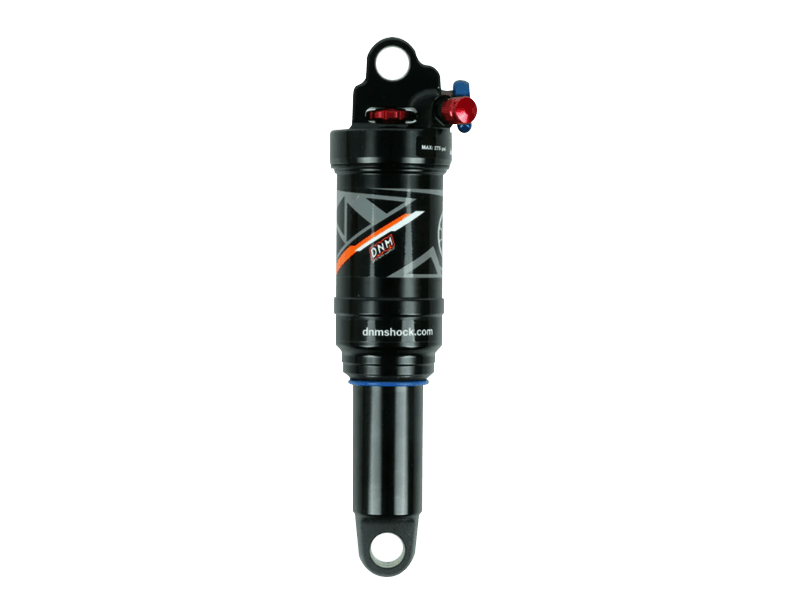
In mountain biking, suspension quality is the difference between a comfortable ride and a bone-rattling ordeal. A full-suspension e-MTB—with both front and rear shock absorbers—provides superior control and stability over rocks, roots, and descents.

Choose frames made from 6061 aluminum alloy or carbon fiber for a balance between strength and weight. These materials withstand impact and vibration while maintaining agility on challenging terrain.

If your adventures often involve technical trails or downhill rides, adjustable suspension systems are a must. They allow you to fine-tune your setup depending on terrain conditions—stiffer for climbing, softer for descending.

4. Tire Type and Traction

The best e-MTB tires act as your first line of defense against unstable ground. Fat tires (4.0"–4.8") are ideal for mountain exploration because they provide enhanced grip, shock absorption, and flotation over mud, sand, or snow.

When selecting your mountain e-bike, ensure the tires have deep tread patterns and puncture-resistant layers. Models like the Freesky Ranger combine durable fat tires with anti-slip design for maximum traction and stability.

Pro tip: Adjust tire pressure based on terrain. Lower PSI (10–15) improves traction on sand or snow, while higher PSI (20–25) enhances control on rocky surfaces.

5. Weather Resistance and Protection

Mountains are unpredictable—sunshine one minute, downpour the next. A reliable mountain e-bike must handle moisture, mud, and temperature swings.

Look for a model with at least IPX5 water resistance, meaning it can withstand moderate rain and splashes. Protect the electrical components, especially the controller and display, with waterproof seals or covers when not in use. After each ride, wipe the frame dry and apply anti-rust spray to prolong durability.

Riders who camp or ride for multiple days should also consider adding mudguards, chain covers, and waterproof panniers to safeguard both the bike and gear from dirt and moisture.

In Conclusion

The right electric mountain bike empowers you to explore farther, climb higher, and connect deeper with nature. Whether your journey involves rocky climbs, forest trails, or sunrise rides above the clouds, choosing a model with long battery life, strong torque, durable suspension, and weather protection ensures every adventure is as exhilarating as it is effortless.

Electric bikes aren’t just machines—they’re your partners in adventure. So charge up, gear up, and get ready to conquer the mountains.

Leave a comment

More Posts

Tips for Riding a Long Range E-Bike on Unpaved Roads

Apr 01, 2026

Long Range e-bikes are built for adventure and endurance. With high-capacity batteries, efficient motors, and stable frames, they let you cover more ground than a typical e-bike—gravel trails, forest paths, dirt roads, and even light off-road sections. But riding off the pavement isn’t just about battery life or speed—it’s about handling your bike efficiently. Here are practical tips to make the most of your Long Range e-bike on unpaved terrain.   1. Adjust Tire Pressure for Traction Tire pressure is crucial for stability and comfort. - On smooth roads: Maintain moderate pressure (20–25 PSI) to reduce rolling resistance. - On soft surfaces: Drop it to 10–15 PSI to increase the contact patch and improve grip. Lower pressure helps your tires float over sand, gravel, or loose dirt rather than digging in. It also acts as additional suspension for a smoother ride. Pro tip: Keep a portable pump and a digital gauge with you—you’ll often need to adjust pressure as conditions change.   2. Optimize Your Riding Position Your body is part of the suspension system. - Stand on the pedals over rough patches, keeping knees and elbows loose. - Shift weight back on descents to avoid the front wheel digging in. - Lean forward slightly when climbing loose hills to maintain traction. Think of your bike and body as a single unit—flexibility is key.   3. Use Pedal Assist Strategically Long Range e-bikes often have moderate to strong motors. Managing power is crucial on loose terrain. - On climbs: Apply steady pedal assist instead of sudden bursts to prevent wheel spin. - On descents: Reduce assist or turn it off; momentum alone may be enough. - On flat unpaved surfaces: Mid-level assist helps you cruise comfortably without losing control.   4. Scan the Terrain Ahead Anticipate changes to maintain stability. - Look 10–20 feet ahead to identify rocks, roots, soft sand, or washboard sections. - Stand and let the bike move beneath you on rough patches. - Keep momentum through deep sand or mud; stopping abruptly can cause you to sink.   5. Brake with Care Stopping on loose terrain requires anticipation. - Use both brakes gently. Heavy front braking can cause washouts. - Slow before corners, not during, then release brakes as you navigate the turn. - On descents, feather brakes rather than holding continuously to maintain control and prevent overheating.   6. Pick Your Line Carefully Unlike paved roads, unpaved trails require choosing your path. - Follow firmer surfaces like compact dirt, small gravel, or packed sand. - Avoid the center of tracks where loose material gathers. - Take wide lines into corners, apex late, exit smoothly—similar to dirt bike technique.   7. Gear Up for the Conditions Unpaved roads mean dust, mud, and low branches. - Wear protective glasses or tinted lenses. - Helmets with visors help block branches and sun glare. - Gloves with good grip reduce hand fatigue from vibration.   8. Bring Essentials for Remote Rides Breakdowns are trickier off-road. Pack: - Spare tube, patch kit, and tire levers - Mini pump or CO₂ inflator - Multi-tool with hex keys - Water and a snack - Phone and basic first aid Even long-range bikes can suffer from punctures or minor mechanical issues.   9. Know Your E-Bike’s Limits Not all long-range e-bikes handle every surface equally. - Match expectations to your bike. Some excel on fire roads, gravel trails, and moderate singletrack, but aren’t full-suspension mountain bikes for extreme downhill. - Learn your bike’s handling, weight distribution, and torque response on different surfaces.   10. Respect Nature Unpaved paths often run through sensitive areas. - Stay on designated trails to avoid damaging vegetation. - Avoid creating ruts in wet conditions. - Pack out everything you bring in.   Final Thoughts: Confidence Grows with ExperienceRiding a long-range e-bike on unpaved roads is a skill developed gradually. Start with easy trails, then move to looser surfaces. Each ride teaches how your bike reacts, how to read the terrain, and how to move fluidly with your bike. With proper tire pressure, smart use of assist, and careful body positioning, you can explore further, ride longer, and enjoy every off-pavement adventure.

Read More

Ranger AIR Review: Real-World Power Meets Intelligent Riding

Mar 19, 2026

CLIMB. CRUISE. CONQUER. Specs alone don’t define a great eBike—real performance does. The FREESKY Ranger AIR delivers 3500W dual motor power, AI-driven control, and long-range capability, all validated in real-world riding conditions. From steep climbs to city cruising, this eBike is designed for riders who demand power, versatility, and comfort. Watch Real Riders Test the Ranger AIR Instead of relying on marketing claims, see how the Ranger AIR performs in real-world conditions—from unboxing to hill climbs and long-distance rides. 1. Real Ride Test: Power, Range & Unexpected Moments @Hazers (214K followers) tested: - Dual motor acceleration and torque response - Real riding range (~31 miles under test conditions) - Handling on mixed terrain - Practical observations and tips Takeaway: Power delivery is strong, smooth, and reliable. 👉 Watch Full Test & Shop Ranger AIR 2. Budget vs Performance: Is It Worth It? @citizencycle (53.5K followers) evaluated: - Value for money - Real-world usability - Comparison with other budget eBikes Takeaway: High performance without premium price. 👉 See Details & Buy Now 3. New Release Overview: First Impressions @Electric Vehicles Space (223K followers) highlighted: - Dual motor capability - Versatility across riding scenarios - Ideal for urban and off-road adventures Takeaway: Feature-rich, reliable, ready to ride. 👉 Explore & Purchase Ranger AIR 3500W AI Dual Motor: Power That Adapts to You The Ranger AIR is powered by a 3500W dual motor system delivering up to 200Nm torque, with AI-driven power distribution. Key benefits: - Automatically adjusts torque for terrain - Reduces rider effort by up to 20% - Handles 40° slopes and rough dirt roads with ease This makes riding effortless while maintaining full control. Experience Effortless Riding → Shop Now Up to 105 Miles Range: Built for Real Distance Equipped with a 48V 25Ah removable battery, the Ranger AIR can reach up to 105 miles on a single charge. Advantages: - Long-distance commuting or adventure rides - 3A fast charging for minimal downtime - Detachable for indoor charging - BMS protection for battery safety Ride Farther with Ranger AIR → Order Today Full Suspension + Fat Tires: Comfort Across Terrain Designed for stability and comfort: - Adjustable hydraulic full suspension - 26” fat tires for traction - Step-through frame for easy mounting (fits riders 5’4”–6’8”) Benefits: - Absorbs over 90% of road vibrations - Stable and smooth on dirt, gravel, and pavement - Comfortable for long rides across all terrains Ride Smooth & Stable → Get Yours Now 7 Riding Modes: One Bike, Multiple Scenarios The Ranger AIR adapts to every situation with 7 riding modes: - Dual motor / single motor - Pedal assist - Throttle-only - Cruise control - Walk assist - Manual pedaling From steep climbs to casual cruising, switching is seamless. Customize Your Ride → Buy Ranger AIR Smart Features That Improve Daily Use - Advanced LCD display showing speed, battery level, and distance - NFC keyless unlock system for card or smartphone access - Simplified and secure daily operation Smart, Secure, Ready → Shop Now What Real Riders Say - “Amazing bike for the price. Impressive performance on a budget.” — Vitalie V.- “The bike is a beast. I bought it for the dual motor.” See Why Riders Love Ranger AIR → Order Here Final Verdict: Tested, Not Just Promised The FREESKY Ranger AIR combines: - 3500W dual motor with 200Nm torque - AI-assisted riding system - Up to 105 miles range - Full suspension and fat tires for comfort - Validated by real-world rider tests It’s powerful, versatile, and reliable—ready for commuting, off-road adventures, and everything in between. Conquer Any Terrain → Buy Ranger AIR Now

Read More

A Professional Racer’s Real-World Ride on FREESKY — Paul Rennie Rides the Warrior Pro at Lee Quarry and the Sankey Canal

Mar 15, 2026

I’m Paul Rennie, a professional racer, and most of my life revolves around speed, machines, and pushing equipment to its limits. Race circuits are familiar territory, but sometimes the best rides happen far away from the track. Recently, I started putting my Freesky Warrior Pro through what I’d call an extended real-world test across the rugged landscapes of northwest England. I bought the bike with a simple goal in mind — something capable of going anywhere. So far, it’s doing exactly that. A Baptism of Fire at Lee Quarry One of the first serious tests took place at Lee Quarry, a well-known riding spot in the northwest of the UK. If you’ve ridden there before, you’ll know it’s not exactly forgiving. The quarry is extremely steep and rocky, with loose surfaces that quickly show what a bike is made of. “It was a real baptism of fire at Lee Quarry,” I remember thinking. Before the ride, I replaced the rear suspension with an air rear shock absorber, and that upgrade proved worthwhile almost immediately. The terrain was brutal in places, but the Warrior Pro stayed stable and controlled across the rocky climbs and descents. By the end of the session, one thing was clear: “The Warrior has done everything I’ve asked of it — and more.” Exploring the Historic Sankey Canal The following ride couldn’t have been more different. Instead of hardcore quarry terrain, I headed out on an off-road exploration along the route of the old Sankey Canal, originally built in 1757. It’s widely considered the first canal constructed in Great Britain since Roman times, and the first designed specifically to serve the Industrial Revolution. Long stretches of the canal route still survive today. If you know where to look, there are plenty of visible reminders of Britain’s industrial past hidden along the trail. One of the highlights is riding beneath the impressive Sankey Viaduct, built by legendary engineer George Stephenson for the Liverpool and Manchester Railway — the world’s first intercity railway. Passing underneath it, you can’t help but feel surrounded by history. Mud, Water, and Real Trail Conditions It feels like it has been raining for months here in northwest England, and the trail conditions definitely reflected that. Large sections of the route were covered in deep mud and standing water, turning parts of the ride into a proper off-road challenge. But the Warrior Pro simply ploughed straight through it without breaking a sweat. The bike’s dual-motor, two-wheel-drive system makes a huge difference when things get messy. Instead of losing traction in the mud, the bike just keeps pushing forward with confidence. It also drew plenty of comments along the way. The Warrior Pro isn’t exactly subtle — it’s definitely a big bike with a big personality, and people tend to notice it. Ride Stats By the end of the ride: - Distance covered: 25 miles - Terrain: Quarry rock, muddy trails, and canal paths - Battery remaining: 78% Considering the challenging terrain and conditions, finishing the ride with that much battery left was impressive. Why the Warrior Pro Works for Challenging Terrain As someone used to high-performance machines, I appreciate equipment that performs under pressure. What stands out about the Freesky Warrior Pro is how confidently it handles difficult terrain. From steep rocky quarry climbs to mud-covered canal trails, the bike delivers the traction, stability, and power needed for real off-road riding. It’s exactly the kind of machine you want when the route ahead is unpredictable. Still Testing — and Still Impressed The Warrior Pro was purchased with one goal: a bike capable of going anywhere. So far, it’s living up to that expectation. From the brutal terrain of Lee Quarry to the muddy historic trails along the Sankey Canal, it continues to handle everything I throw at it. And the more I ride it, the more I enjoy it. The extended testing is definitely ongoing. Rider Profile Name: Paul RennieProfession: Professional RacerLocation: Northwest EnglandFavorite Terrain: Quarry Trails & Historic Canal RoutesBike: Freesky Warrior Pro “The more I ride this bike, the more I love it.” Discover the Freesky Warrior Pro Built for riders who want power, control, and the confidence to tackle challenging terrain, the Freesky Warrior Pro is designed for real off-road adventures — from rocky climbs to muddy trails. 👉 Start your own adventure beyond the pavement.

Read More

0
Bike Comparison