






How to Maintain E-Bike Range in Fall and Winter: A Complete Cold-Weather Riding Guide
NOV 03, 2026
As temperatures drop and winter approaches, many electric bike riders notice a change in their bike's performance. A battery that delivers plenty of miles during summer may seem to drain faster in colder weather, making longer rides more challenging.
This is a normal effect of cold temperatures on lithium-ion batteries. Lower temperatures can temporarily reduce battery efficiency, while winter riding conditions such as strong headwinds, wet roads, low tire pressure, and increased rolling resistance can further affect your e-bike's range.
The good news is that proper battery care, regular maintenance, and a few adjustments to your riding habits can help you get the most out of your electric bike throughout fall and winter.
In this guide, we'll cover practical ways to maintain e-bike range in cold weather, protect your battery, and enjoy a more reliable riding experience throughout the colder months.

1. How Cold Weather Affects E-Bike Battery Performance
Most modern electric bikes use lithium-ion batteries, which are sensitive to temperature changes. When temperatures fall, the chemical reactions inside the battery slow down, increasing internal resistance and reducing the amount of energy the battery can deliver efficiently.
As a result, you may notice several changes during winter riding:
- Reduced Battery Range: Cold temperatures can temporarily reduce available battery capacity, meaning you may travel fewer miles on a full charge.
- Faster Battery Percentage Drops: The battery indicator may decrease more quickly, particularly during high-power acceleration or uphill riding.
- Reduced Power Output: Extremely cold conditions can affect how efficiently the battery supplies power to the motor.
- Longer Recovery Time: Battery performance may improve after the battery returns to a moderate temperature.
Temperature isn't the only factor affecting winter range. Cold-weather riding often involves stronger winds, slippery surfaces, wet roads, and additional resistance. Together, these conditions can increase energy consumption.
Understanding these factors is the first step toward keeping your e-bike performing reliably throughout the colder seasons.
2. Protect Your E-Bike Battery from Cold Temperatures
Battery care is one of the most important parts of winter e-bike maintenance. Since lithium-ion batteries perform best within their recommended operating temperature range, taking a few precautions can help protect battery health and maintain consistent performance.
Store Your Battery Indoors
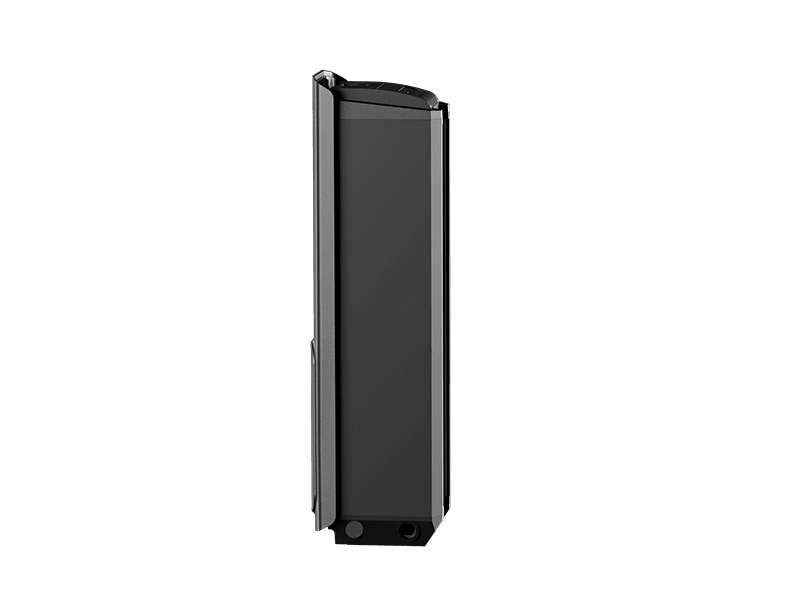
Whenever possible, remove your detachable e-bike battery and store it in a dry, temperature-controlled indoor environment when the bike is not in use.
Avoid leaving your battery exposed to freezing temperatures for extended periods. If your battery is integrated into the frame, follow your manufacturer's recommendations for cold-weather storage.
Let Your Battery Warm Up Before Charging
Never charge a frozen or excessively cold lithium-ion battery.
After riding in freezing conditions, bring the battery indoors and allow it to gradually return to the manufacturer's recommended charging temperature before connecting the charger.
This simple habit helps protect the battery cells and reduces unnecessary stress during charging.
Avoid Completely Draining the Battery
Cold weather can make battery performance less predictable, so it's a good idea to maintain a reasonable charge level rather than regularly allowing the battery to reach 0%.
For everyday use, keeping the battery around 20%–80% can help support long-term battery health. If you're preparing for a longer winter ride, charge it according to your manufacturer's recommendations before departure.
Check Battery Connections Regularly
Moisture, dirt, and road salt can accumulate around battery terminals and electrical connections during winter.
Inspect the battery contacts regularly and make sure connections are clean, dry, and secure. Avoid using excessive water when cleaning electrical components.
3. Optimize Your E-Bike Settings for Better Winter Range
Your riding settings can make a noticeable difference in how quickly your battery drains. During colder months, adjusting your e-bike's setup can help reduce unnecessary energy consumption.
Choose the Right Pedal Assist Level
Higher pedal assist levels generally require more power from the battery.
When riding on flat roads or maintaining a comfortable cruising speed, consider using a lower assist level. Save higher assistance for steep hills, challenging terrain, or situations where additional motor power is necessary.
Using pedal assist strategically can help extend your available range.
Maintain Proper Tire Pressure
Cold temperatures can cause tire pressure to decrease, and underinflated tires create additional rolling resistance.
Check your tire pressure regularly, especially when temperatures fluctuate. Follow the recommended pressure range printed on your tire sidewall or specified by the manufacturer.
For fat-tire e-bikes, finding the right pressure is particularly important. Proper inflation helps balance traction, comfort, and rolling efficiency across different riding surfaces.
Select Tires for Seasonal Conditions
Winter roads may include wet pavement, loose gravel, snow, or icy patches.
Choose tires that match your local riding conditions. Fat tires can provide a larger contact area and added stability on certain surfaces, while studded winter tires may offer additional grip on icy roads.
Remember that tire selection should prioritize safe traction rather than range alone.
4. Adjust Your Riding Habits to Conserve Battery Power
Small changes in the way you ride can help reduce battery consumption and improve overall efficiency.
Maintain a Steady Riding Speed
Frequent acceleration and sudden braking require additional energy.
Try to maintain a smooth, consistent pace whenever road conditions allow. Gradual acceleration and controlled braking can help reduce unnecessary battery usage.
Use Pedal Power More Often
Your motor doesn't have to do all the work.
Pedaling actively, especially when accelerating or climbing hills, can reduce the amount of assistance required from the battery.
If your e-bike has multiple pedal assist levels, adjusting them based on terrain can help you balance motor support and battery consumption.
Avoid Unnecessary Stops and Starts
Repeatedly accelerating from a complete stop can consume more energy than maintaining a steady pace.
When conditions are safe, plan your riding to minimize unnecessary stops. However, always prioritize safe braking and appropriate speeds on slippery winter roads.
Be Aware of Wind Conditions
Cold-weather winds can significantly increase aerodynamic resistance.
When possible, choose routes with some protection from strong headwinds. If riding into the wind is unavoidable, consider reducing your speed and using an appropriate assist level to manage battery consumption.

5. Plan Your Winter Routes More Efficiently
A well-planned route can help you conserve battery power while making winter rides more comfortable and predictable.
Here are several practical route-planning tips:
Choose Routes with Fewer Steep Hills: Climbing requires additional motor assistance. When possible, choose routes with gentler gradients to reduce battery demand.
Check Weather Conditions: Review temperature, wind speed, and precipitation before heading out. Extremely cold conditions and strong headwinds can significantly affect your expected range.
Avoid Poor Road Surfaces: Deep snow, mud, loose gravel, and uneven roads can increase rolling resistance and require more power.
Plan Charging Opportunities: For longer rides, identify convenient places where you can recharge if necessary. Always use a compatible charger and follow the manufacturer's charging instructions.
Allow Extra Range for Winter Conditions: Don't plan your route based solely on the maximum range advertised for your e-bike. Leave enough battery reserve to account for temperature changes, road conditions, and unexpected detours.
A little preparation can make a big difference, especially when traveling farther from home.
6. Keep Up with Regular Winter E-Bike Maintenance
Winter conditions can be particularly demanding on your electric bike. Moisture, road salt, mud, and debris can affect mechanical components and electrical connections if left unattended.
Regular maintenance helps your bike operate efficiently and reduces the risk of unexpected problems.
Clean Your E-Bike After Wet or Muddy Rides
Road salt, mud, and moisture can accumulate on the frame, drivetrain, and other components.
After riding in harsh conditions, wipe down your e-bike with a soft cloth. Use appropriate cleaning products and avoid spraying high-pressure water directly onto the motor, battery, display, or electrical connections.
Lubricate the Chain
Cold temperatures and moisture can increase drivetrain wear and contribute to chain corrosion.
Clean your chain regularly and apply a suitable bicycle chain lubricant, preferably one designed for wet-weather conditions.
A properly lubricated drivetrain helps reduce friction and makes pedaling smoother.
Inspect Your Brakes
Wet and slippery conditions can make reliable braking even more important.
Check brake pads, rotors, and cables regularly. Make sure your brakes respond properly and replace worn components when necessary.
Check Tires and Wheels
Inspect your tires for cuts, punctures, and excessive wear. Also check tire pressure and make sure the wheels are properly secured.
Good tire condition is essential for both riding efficiency and winter safety.
Inspect Electrical Components
Check battery connections, wiring, connectors, and the display for visible damage or moisture.
If you notice unusual electrical behavior, have the bike inspected by a qualified technician rather than attempting repairs beyond your experience.
7. Essential Accessories for Comfortable Winter E-Bike Riding
Having the right accessories can make cold-weather riding more comfortable and help you stay prepared for changing conditions.
Battery Insulation Covers
A compatible neoprene battery cover may help reduce heat loss during a ride in cold conditions.
Make sure the cover is designed for your battery model and does not interfere with electrical connections, ventilation, or safe operation.
Thermal Gloves and Layered Clothing
Cold hands can make braking and operating your e-bike more difficult.
Wear insulated cycling gloves and dress in breathable layers. A wind-resistant outer layer can help reduce heat loss while allowing enough flexibility for comfortable pedaling.
Front and Rear Lights
Winter brings shorter daylight hours and frequently reduced visibility.
Install reliable front and rear lights to help you see the road and remain visible to other road users. Reflective clothing and accessories provide additional visibility.
Fenders and Waterproof Gear
Wet roads can quickly make winter rides uncomfortable.
Fenders help reduce water and mud splashes, while waterproof jackets, pants, and shoe covers help keep you dry during rainy conditions.
8. Choose an E-Bike with the Battery Capacity for Your Riding Needs
While proper maintenance and riding habits can help preserve battery range, your e-bike's battery capacity also plays an important role in determining how far you can travel.
If you regularly take longer rides, commute in colder conditions, or explore challenging terrain, consider an e-bike with a larger battery capacity and a range that comfortably exceeds your everyday requirements.
Here are some features worth considering:
High-Capacity Battery: A larger battery provides more stored energy and can offer additional range flexibility.
Dual-Battery Compatibility: Certain e-bike configurations support additional batteries, making longer trips more practical.
Efficient Motor System: A well-matched motor and battery system can help deliver power efficiently across different riding conditions.
Comfortable Riding Geometry: A suitable frame, suspension system, and tire setup can make longer rides more manageable.
At FREESKY, we believe an electric bike should give riders the freedom to explore beyond their everyday routes. Whether you're commuting, riding on mixed terrain, or heading out for a weekend adventure, choosing an e-bike with suitable battery capacity and performance can help you prepare for changing seasonal conditions.
Explore the FREESKY electric bike collection to find a model that matches your riding style and range requirements.

Conclusion: Enjoy More Miles with the Right Winter E-Bike Care
Cold weather doesn't mean you have to put your electric bike away.
Although low temperatures can temporarily affect lithium-ion battery performance, proper battery storage, careful charging, optimized riding settings, and regular maintenance can help you get more consistent performance throughout fall and winter.
Remember to keep your battery protected from extreme cold, check tire pressure regularly, maintain your drivetrain, and adjust your riding habits to match road and weather conditions.
Most importantly, plan ahead and leave enough battery reserve for unexpected changes during your ride.
With the right preparation and a well-maintained e-bike, you can continue enjoying the freedom of electric biking throughout the colder months.
Share


