






How to Ride an Electric Bike for the First Time A Beginner’s Guide
JAN 12, 2026
Riding an electric bike for the first time is an exciting experience. While e-bikes look similar to traditional bicycles, the added motor and battery change how they behave on the road. The good news is that you don’t need special skills to get started—just a clear understanding of how the system works and a few basic riding techniques.
This guide walks you through everything you need to know, from choosing the right e-bike to riding safely in traffic and handling common issues.
Preparing Your E-bike Before the First Ride
A proper setup ensures comfort, control, and safety. Before you ride, take time to understand your e-bike type, adjust the fit, and check that all components are working correctly.
Choosing the Right Type of E-bike
E-bikes are designed for different riding scenarios:
- Commuter e-bikes are ideal for daily city travel. They often include racks, fenders, and comfortable riding positions.
- Electric mountain bikes (e-MTBs) feature reinforced frames and suspension systems for off-road trails and uneven terrain.
- Folding e-bikes are compact and practical for riders with limited storage space or frequent public transport use.
Selecting the correct size is just as important as choosing the right category. When standing over the frame, you should be able to touch the ground comfortably. While seated, your leg should extend almost fully at the lowest pedal position, with a slight bend at the knee. A short test ride helps confirm whether adjustments are needed.
Understanding the Key Components of an E-bike
Most electric bikes rely on four core components working together:
- Motor: Positioned either in the wheel hub or near the pedals (mid-drive), providing assistance as you ride.
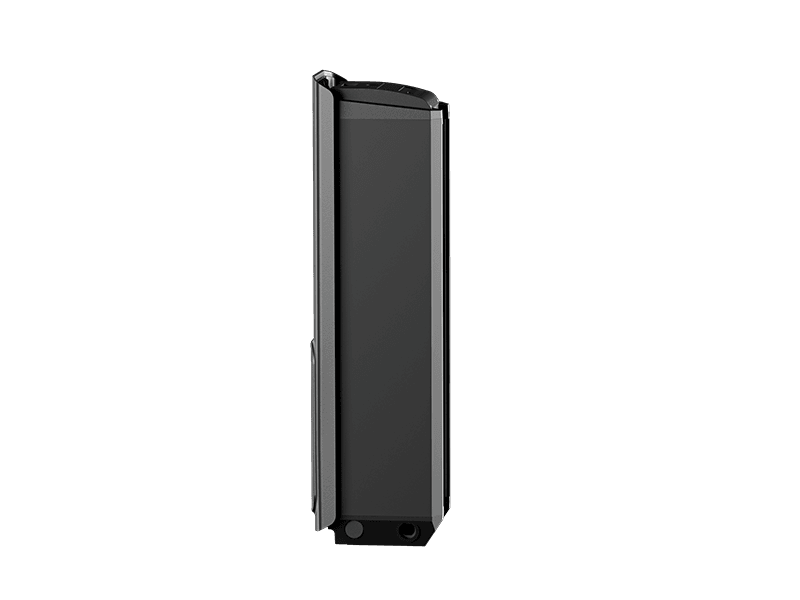
- Battery: Mounted on the frame or rear rack, supplying power to the motor.
- Display: Shows speed, battery status, and assistance level.
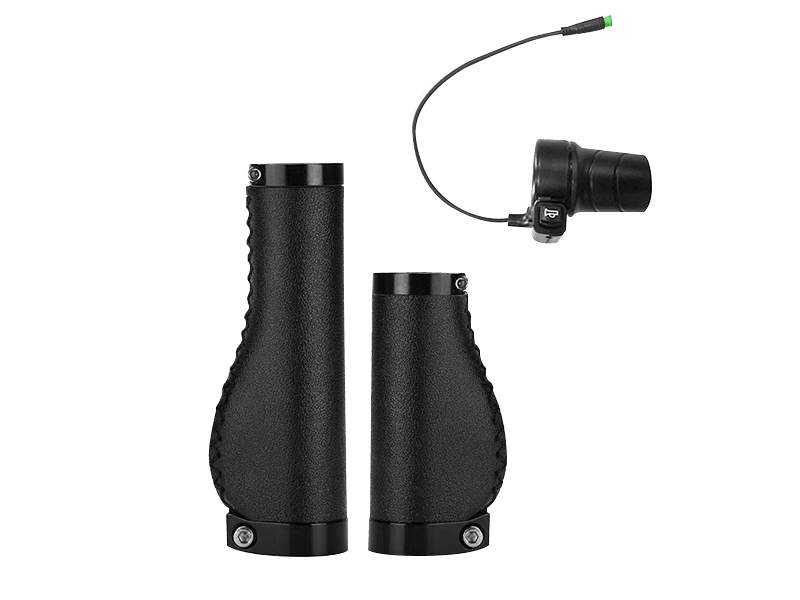
- Control unit: Handlebar-mounted buttons for adjusting assist modes and, on some models, activating a throttle.
Knowing where these parts are and how they interact will make your first ride more predictable and controlled.
Essential Safety Gear for E-bike Riders
Safety should always come first, especially when riding a faster, heavier bike.
Recommended gear includes:
- Helmet: Properly fitted, sitting level on your head and secure under the chin.
- Gloves: Improve grip and protect your hands.
- High-visibility clothing: Bright or reflective apparel helps others see you in traffic or low-light conditions.
In addition, familiarize yourself with local e-bike regulations. Speed limits, access to bike paths, and equipment requirements vary by region. Before every ride, perform a quick inspection: test the brakes, confirm the battery is locked in place, and inflate the tires to the recommended pressure listed on the sidewall.
Starting and Stopping an Electric Bike Safely
Mastering basic handling is essential for building confidence.
Mounting and Dismounting
Because e-bikes weigh more than traditional bicycles, stability is key:
1.Hold both brake levers firmly.
2.Stand beside the bike and keep it upright.
3.Swing one leg over the frame and sit down.
4.Place your feet on the pedals only when ready to move.
When stopping or dismounting, reverse the process and keep the brakes engaged to prevent unexpected movement.
Using Power Assist and Throttle Control
Once powered on, start with the lowest assistance level. This allows you to get used to how the motor responds to pedaling.
Typical assist levels work as follows:
- Low assist: Best for flat roads and conserving battery.
- Medium assist: Suitable for mild hills and steady cruising.
- High assist: Designed for steep climbs, strong headwinds, or faster acceleration.
If your e-bike includes a throttle, use it cautiously. Throttles deliver instant power and can be helpful in specific situations, but pedal assist is generally more efficient and easier to control, especially in crowded areas.
Improving Your Riding Skills on an E-bike
Once you’re comfortable with the basics, refining your technique will improve safety and performance.
Turning and Cornering
Approach corners with reduced speed and lower assist levels. Keep your inside pedal raised and look through the turn toward your exit path. Smooth, controlled movements help maintain balance and traction.
Riding on Different Surfaces
- Loose gravel: Slightly lift off the saddle and relax your arms to absorb vibrations.
- Wet pavement: Brake earlier, reduce assist, and avoid sharp turns.
- Uphill climbs: Shift to a lower gear before the incline begins.
- Downhill sections: Use light, intermittent braking rather than continuous pressure to maintain control.
Extending Battery Range
Efficient riding habits can significantly increase your range:
- Use higher assist only when necessary.
- Take advantage of downhill sections by reducing or turning off assistance.
- Anticipate stops to avoid frequent acceleration.
- Consider wind direction when planning longer routes.
Smart energy management not only extends battery life but also creates a smoother riding experience.
Traffic Rules and Shared Path Etiquette
In most regions, e-bike riders follow the same traffic laws as traditional cyclists. Obey traffic signals, use bike lanes where available, and ride predictably.
When sharing paths with pedestrians:
- Yield to walkers.
- Signal your presence verbally or with a bell.
- Pass slowly and only when there is enough space.
Always remain aware that e-bikes are quieter and faster than regular bikes, which means others may not notice you approaching.
Solving Common E-bike Issues
Battery Runs Out Mid-Ride
If the battery is depleted, the bike still functions normally—just without assistance. Shift to an easier gear, pace yourself, and consider planning routes with backup options such as bike shops or public transport.
Unusual Noises
Routine maintenance can prevent most problems:
- Keep the chain clean and lubricated.
- Check tire pressure regularly.
- Clean brake rotors if you hear squealing.
- Wipe battery contacts occasionally to ensure good connection.
Performance Feels Off
Seek professional service if you notice braking issues, inconsistent motor output, or unusual vibrations. Electrical and mechanical systems are best handled by experienced technicians.
Enjoy Your E-bike Experience
Electric bikes make cycling more accessible, efficient, and enjoyable. With a basic understanding of the components, proper safety habits, and steady practice, most riders gain confidence quickly. Whether you’re commuting, exploring trails, or riding for leisure, an e-bike opens up new possibilities.
If you’re still unsure, visiting a local bike shop or renting an e-bike for a short ride is an excellent way to experience the benefits firsthand. Once you start riding, it often becomes a habit you look forward to every day 🚲✨
Share


1 Comments
joyce
Nice Bike