






Not Every Trip Needs a Car: Why a High-Performance E-Bike Makes Sense
SEP 15, 2026
Think about the last few times you drove somewhere close to home.
Maybe you picked up groceries. Maybe you went to a coffee shop, collected a package, visited a local park, or headed out for a weekend ride.
The destination wasn't particularly far.
What made the car feel necessary was everything around the trip.
You had things to carry.
The road included a few steep hills.
You didn't want to arrive tired.
Or maybe you wanted to continue farther after reaching your original destination.
A regular bicycle can handle many short trips. A car can handle almost anything you throw at it.
But there is a large space between those two options.
That's where a high-performance electric bike can make sense.
An e-bike gives you motor assistance when the route gets difficult, battery capacity when the distance gets longer, and wider tires and suspension when the pavement ends.
You don't have to stop driving altogether.
You simply don't have to use a car for every trip.
The Problem Isn't Always Distance
A five-mile trip doesn't sound like a reason to drive.
Until you consider what you're actually doing.
A backpack is easy to carry on a regular bike.
A week's worth of groceries is different.
A short ride up a steep hill is manageable on an ordinary bicycle.
Doing it repeatedly with a loaded bike is another story.
A paved neighborhood street may be easy to ride.
A gravel road, muddy trail, or sandy path requires a different kind of bike.
And once you add several stops to the same outing, battery range starts to matter too.
This means that many short trips aren't really a distance problem.
They're a capability problem.
A regular bike may not provide enough assistance.
A car may provide far more vehicle than the trip actually requires.
A high-performance e-bike sits between the two.

Why an E-Bike Can Replace Some Car Trips
The appeal of an e-bike isn't that it can replace every function of a car.
It can't.
A car still makes sense when you need to transport several passengers, carry large items, travel very long distances in poor weather, or handle situations where an e-bike simply isn't practical.
The more interesting question is:
How many of your everyday trips actually require a car?
For shorter local journeys, an e-bike can remove some of the friction that makes driving feel necessary.
You can leave directly from home.
You don't have to search for parking.
You don't have to move a full-size vehicle for a two- or five-mile errand.
And with a capable electric motor, you don't have to treat every hill as a workout.
That's where the right e-bike starts to feel less like a recreational bicycle and more like another form of everyday transportation.
What Makes a High-Performance E-Bike Different?
Not every e-bike is designed to take on the same jobs.
A lightweight city e-bike may be excellent for commuting on paved streets.
A high-performance fat-tire e-bike is built for a wider range of conditions.
For FREESKY, that means combining:
High torque for hills and heavier loads.
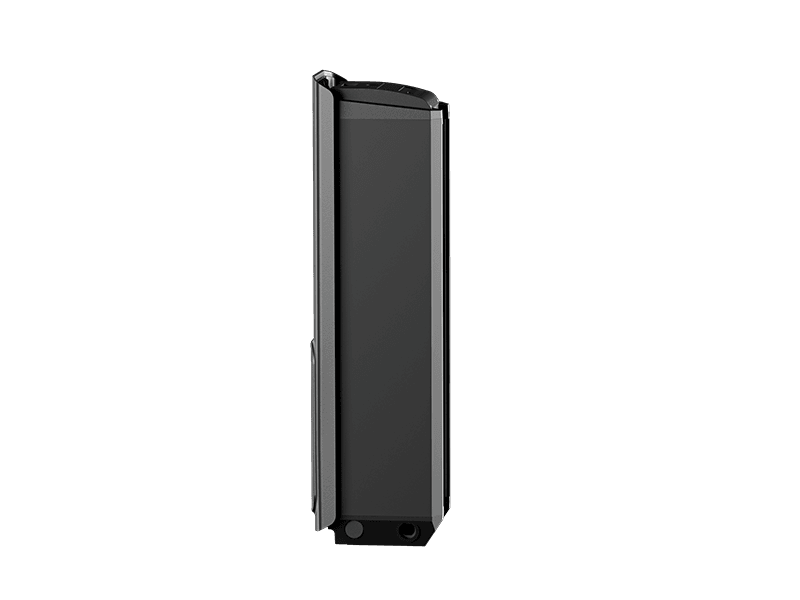
Large-capacity batteries for longer rides.
Fat tires for pavement, gravel, dirt, sand, and other changing surfaces.
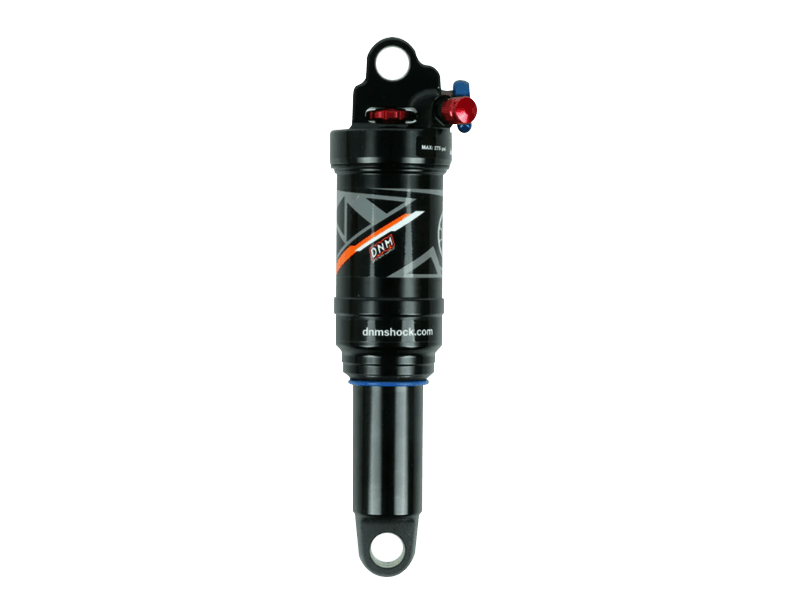
Full suspension for rougher roads and trails.
Hydraulic brakes for controlled stopping.
Dual motors on selected models for additional drive support.
These aren't just performance numbers.
They address the reasons a regular bicycle can become impractical.
When the Hill Is the Reason You Took the Car
A short distance can still be a difficult ride.
If the route includes a long or steep climb, rider weight, bike weight, cargo, and terrain all increase the demand on the motor.
This is where torque becomes especially relevant.
For example, the FREESKY Warrior Ultra uses two hub motors with 130 N·m each, providing up to 260 N·m combined torque in its unlocked configuration.
The Ranger Air uses a dual-motor system with up to 210 N·m combined torque.
The Alaska Pro offers up to 170 N·m of torque from its high-output motor.
These numbers describe the amount of rotational force available from the motor system.
For everyday riding, you may never need the maximum available output.
But when you start from a stop on a hill, carry additional weight, or move across loose terrain, having more motor assistance available can change how manageable the ride feels.
Rated Power and Peak Power Are Not the Same Thing
This distinction becomes especially important when comparing high-performance e-bikes.
Rated power refers to the motor's continuous or sustained power rating.
Peak power refers to the higher output the motor can reach under certain operating conditions.
For example, the Warrior Ultra is marketed with up to 6000W peak output in its unlocked configuration, while its factory default Class 2 mode uses a 750W rated power setting and 20 MPH maximum assisted speed for public-road riding.
That means the same bike can serve two very different purposes.
For everyday commuting, the factory configuration is designed around a lower-power, lower-speed riding mode.
For private off-road environments where higher output is appropriate, the bike can provide substantially more performance.
The important point is not simply the largest wattage number.
It's understanding which riding mode that number applies to.
One Bike, Two Very Different Types of Riding
This is where a model such as the FREESKY Warrior Ultra becomes particularly interesting for riders who don't want to own a different bike for every type of trip.
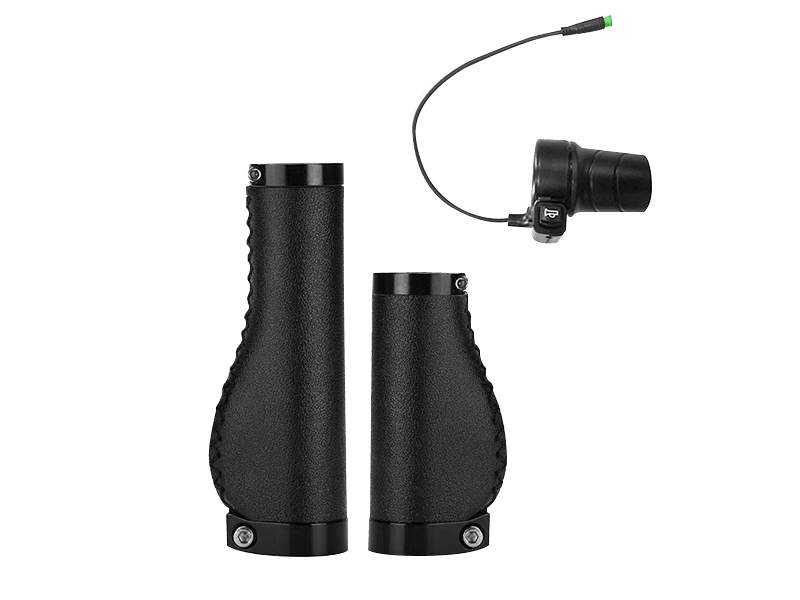
For everyday transportation, the factory default Class 2 mode is designed around 750W rated power and 20 MPH maximum assisted speed, with throttle and pedal-assist functionality.
For private off-road riding, the bike offers an additional manual off-road mode with substantially higher available output.
That creates a useful distinction:
Commute during the week.
Explore on the weekend.
Ride locally without taking the car.
Take the same bike onto private off-road terrain when appropriate.
The bike doesn't have to be limited to one type of experience.
Of course, riders should always follow the laws and regulations applicable to their location and use the higher-output configuration only where permitted.
When One Motor Isn't Enough
There are also situations where the challenge isn't just the steepness of the hill.
It's traction.
Gravel.
Sand.
Mud.
Snow.
Loose dirt.
Uneven mountain trails.
This is where dual-motor systems can provide another advantage.
The Warrior Ultra uses two motors, allowing riders to switch between rear-motor and dual-motor operation.
The Ranger Air uses a 2000W front motor and 2000W rear motor in its high-output configuration, with up to 210 N·m combined torque.
Instead of asking one motor to handle every situation, the system can distribute drive across both wheels when additional traction and power are useful.
For flat pavement, single-motor operation can be enough.
For steeper or looser terrain, dual-motor operation provides another level of capability.
When Range Is the Reason You Drive
Sometimes the car isn't about power.
It's about not having to worry about getting home.
You may start with a short ride and decide to take a longer route.
You may make several stops.
You may discover a trail and decide to keep exploring.
Or you may simply want enough battery reserve that you don't have to plan every mile around the next charging opportunity.
This is where larger battery capacity becomes useful.
The FREESKY Alaska Pro uses a 48V 45Ah dual-battery system with a claimed range of up to 120–200+ miles, depending on riding conditions and configuration.
The Warrior Ultra uses a 60V 30Ah removable LG-cell battery with a claimed range of 60–120 miles.
The Ranger Air uses a 48V 25Ah removable battery with a claimed range of up to 105 miles.
The Eurostar Turbo also uses a 48V 25Ah battery with a claimed range of 60–105 miles.
Actual range varies with rider weight, terrain, speed, temperature, assist level, tire pressure, riding mode, and other conditions.
The practical advantage of a larger battery isn't that every ride will reach the maximum claimed range.
It's that you have more room for the unexpected.
From Grocery Runs to Weekend Adventures
A useful car alternative doesn't have to be limited to commuting.
Think about a normal weekend.
You ride to pick up groceries.
Later, you head to the park.
The next day, you decide to explore a gravel road outside town.
A regular bicycle might make some of those trips possible.
A car can handle all of them, but may be unnecessary for the shorter ones.
A high-performance e-bike can cover more of the middle ground.
That's particularly true when the bike has enough power, range, and carrying capability to handle more than one type of trip.
Grocery Runs Without the Parking Lot
A grocery trip is one of the simplest examples.
The store might only be three or four miles away.
Driving means getting the car out, dealing with traffic, finding a parking space, shopping, loading everything into the vehicle, driving home, and unloading.
With an appropriately equipped e-bike, a local grocery run can become a ride instead.
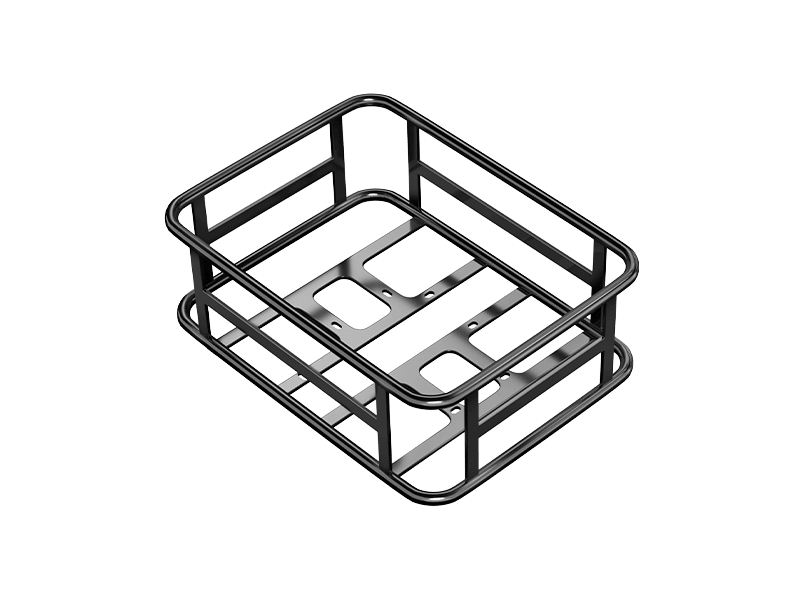
A rear rack, panniers, or other compatible cargo accessories can help carry everyday items.
And because the trip doesn't require moving a full-size vehicle, the entire process can feel simpler.
The goal isn't to turn an e-bike into a replacement for a delivery van.
It's to use a smaller vehicle when the job is small enough for one.
Picking Up Packages and Running Local Errands
Packages are another example.
A box that feels inconvenient on a regular bicycle can be much easier to manage with an appropriate rack or cargo setup.
The same bike can take you to a pickup point, local store, post office, or repair shop without requiring a parking space at every stop.
For riders who have several errands close together, that can make a noticeable difference.
Instead of:
Drive → park → walk → drive → park again
you can simply ride between stops.
Going to the Park Without Loading the Car
A park trip can also become more complicated than expected.
Water.
Food.
A picnic blanket.
A backpack.
Outdoor equipment.
Maybe even camping gear.
A car makes carrying everything easy, but it also means driving and parking.
A high-performance fat-tire e-bike gives you another option when the distance and load are manageable.
The wide tires provide stability, while motor assistance helps offset the additional weight.
The trip becomes part of the outing rather than simply transportation to the outing.
When the Road Stops Being Paved
This is where a high-performance e-bike starts to separate itself from a basic commuter.
You leave the neighborhood.
The pavement becomes gravel.
The gravel becomes dirt.
The trail becomes uneven.
Maybe there is a steep section ahead.
A conventional road bike isn't designed for that environment.
A typical city e-bike may not have the tires, suspension, or drive system you'd want either.
FREESKY models such as the Warrior Ultra, Ranger Air, Eurostar Turbo, and Alaska Pro are built around wider 26 × 4-inch fat tires and full-suspension configurations.
That combination is intended to provide more stability and comfort across varied terrain.
It doesn't make every trail effortless.
But it gives riders more room to explore beyond paved streets.
Full Suspension Matters When the Surface Isn't Perfect
Motor power only solves part of the problem.
If you're riding over potholes, roots, rocks, washboard gravel, or uneven trails, the bike itself has to manage those impacts.
The Warrior Ultra uses a hydraulic front suspension system and rear shock absorbers.
The Ranger Air uses adjustable hydraulic suspension with a step-through frame.
The Eurostar combines a hydraulic front fork with a rear shock.
The Alaska Pro also uses a full-suspension configuration.
Together with 4-inch fat tires, these systems are designed to improve comfort and control when the road becomes less predictable.
That matters whether you're commuting over rough city streets or heading out onto a weekend trail.

When You Want One Bike for More Than One Part of Your Life
This may be the biggest difference between a high-performance e-bike and a basic recreational bicycle.
You don't necessarily have to buy one bike for commuting, another for trails, and another for long-distance adventures.
A versatile model can cover several roles.
Weekday: commute.
After work: local errands.
Saturday: gravel or trail riding.
Sunday: camping or outdoor exploration.
The same vehicle can move between these uses without requiring a completely different transportation setup.
The Warrior Ultra is particularly suited to this idea because its riding modes allow it to operate differently depending on the environment.
The Ranger Air adds another layer of versatility with its step-through design, dual/single motor operation, and combination of commuting and outdoor-oriented features.
The Eurostar offers long-range capability, full suspension, fat tires, and dual-motor performance in a configuration designed for both road and off-road use.
And the Alaska Pro focuses heavily on long-range riding with its dual-battery system.
The Car Still Has Its Place
A realistic car alternative shouldn't pretend that cars are unnecessary.
There are trips where a car is clearly more practical.
Several passengers.
Large furniture.
Long highway travel.
Heavy cargo.
Severe weather.
Situations where local laws or road conditions don't permit e-bike use.
Those are not the trips we're talking about.
The interesting opportunity is everything in between.
The five-mile trip.
The grocery run.
The ride to the park.
The local commute.
The weekend gravel route.
The short camping trip.
The quick errand that would normally start with turning a car key.
Those are the trips where choosing a smaller vehicle can make sense.
The Real Benefit Is Reducing Friction
People often talk about replacing car trips in terms of fuel savings or environmental benefits.
Those can certainly be factors.
But convenience is often much simpler.
If your destination is only a few miles away, driving can create unnecessary steps.
Get in the car.
Start the car.
Deal with traffic.
Find parking.
Park.
Walk.
Get back in.
Drive home.
An e-bike can remove several of those steps.
Leave from home.
Ride.
Arrive close to your destination.
Ride home.
And when the bike itself is capable enough to handle hills, cargo, longer distances, and changing terrain, more trips become realistic without the car.
Not Every Trip Needs a Car
You don't have to stop driving to drive less.
You don't have to replace your car completely.
And you don't have to turn every short trip into an athletic challenge.
Sometimes you simply need another option.
A regular bicycle can be ideal when the distance is short, the load is light, and the terrain is easy.
A car can be ideal when the trip demands passengers, cargo, or long-distance travel.
A high-performance e-bike fills the space between them.
With high torque for climbs, large batteries for longer rides, fat tires for changing terrain, full suspension for rough surfaces, and dual-motor options for additional drive support, a FREESKY e-bike can turn more everyday and recreational trips into rides instead of drives.
The question isn't whether an e-bike can replace your car.
It's much simpler than that:
Does this particular trip really need a car?
Sometimes, the better answer is a bike.
Share


