What’s New with the FREESKY Ranger Air? Smarter, Smoother, and Longer Rides Than Ever

The FREESKY Ranger has long been known for raw power. Dual motors, fat tires, and mountain-ready geometry made it a favorite among riders seeking serious off-road performance.

But power alone doesn’t make a great ride. With the FREESKY Ranger Air, we focused on making every ride easier, more comfortable, and truly enjoyable, while keeping the capability that defines the Ranger family.

This isn’t a spec refresh—it’s a real upgrade in how a high-power dual-motor ebike fits into your everyday life.

Smarter, Smoother, and Easier to Ride

Many powerful ebikes feel intimidating or exhausting over time. The Ranger Air changes that experience with three key systems designed around how you feel while riding:

1. AI-Driven Dual Motor System: Effortless Control

The 3500W dual motors use AI-assisted power distribution to adapt torque to your ride in real time.

What riders feel:

- Climbing steep slopes becomes natural, not a struggle

- Power delivery is smooth, not abrupt or jerky

- Switching between single and dual motor drive feels seamless

By reducing unnecessary effort by up to 20%, this system lets you enjoy raw power without feeling worn out.

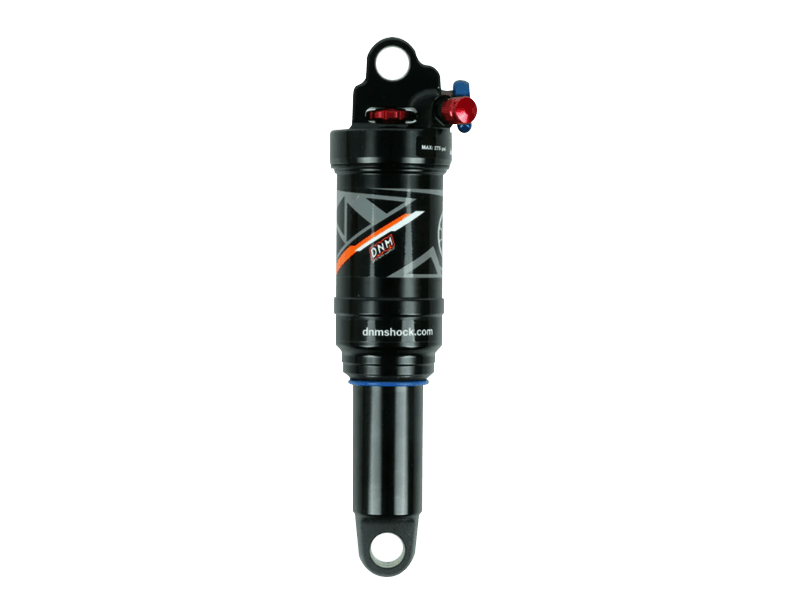
2. Full Suspension Comfort System: Ride Longer, Not Harder

Unlike the previous Ranger with only a front fork, the Ranger Air features full suspension with adjustable hydraulic components combined with 26” fat tires.

What riders feel:

- Rough pavement, dirt, and gravel no longer jar your body

- Long rides don’t leave you sore or fatigued

- The bike stays planted and stable even on uneven terrain

This upgrade transforms the Ranger Air from a “power tool” into a bike you can ride comfortably every day.

3. Long-Range Battery for Real-World Use

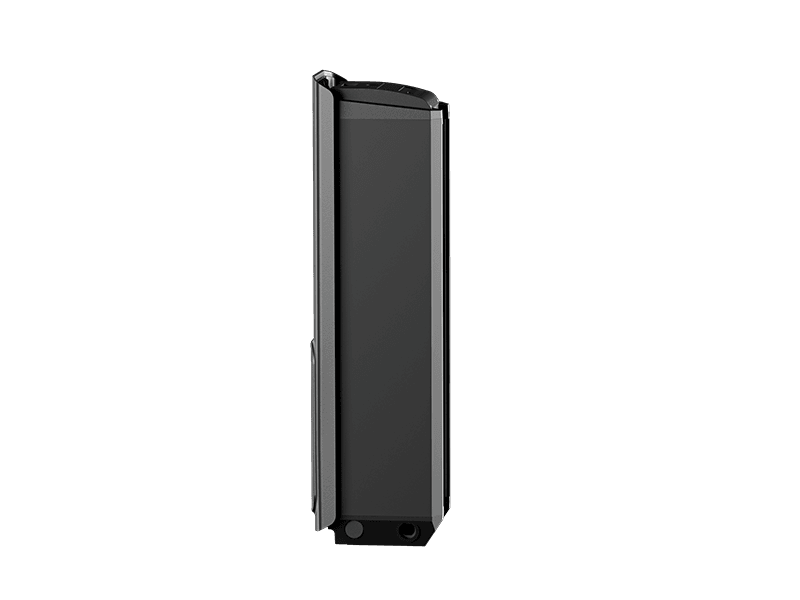
The 48V 25Ah removable battery delivers up to 105 miles per charge, supported by fast 3A charging and advanced BMS protection.

What riders feel:

- Long-distance commutes or weekend adventures are realistic

- Charging is convenient, even in apartments or garages

- You can focus on the ride instead of planning around a charging station

The Upgrade That Changes Everything

Rather than listing minor tweaks, Ranger Air’s defining upgrade is Full Suspension:

Everything else—the AI motors, long-range battery, fat tires—supports this core shift from raw power to rider-friendly performance.

Smooth, Comfortable, and Ready for Any Terrain

Full suspension plus fat tires filter out bumps, cracks, and uneven surfaces so your body doesn’t have to.

Riders between 5’4” and 6’8” will notice:

- Step-through frame makes mounting effortless

- Vibrations and shocks are absorbed, not felt

- Hands and lower back stay relaxed for longer rides

Whether commuting through the city or exploring dirt trails, the Ranger Air lets you enjoy the ride, not just survive it.

Power You Can Trust Without Straining

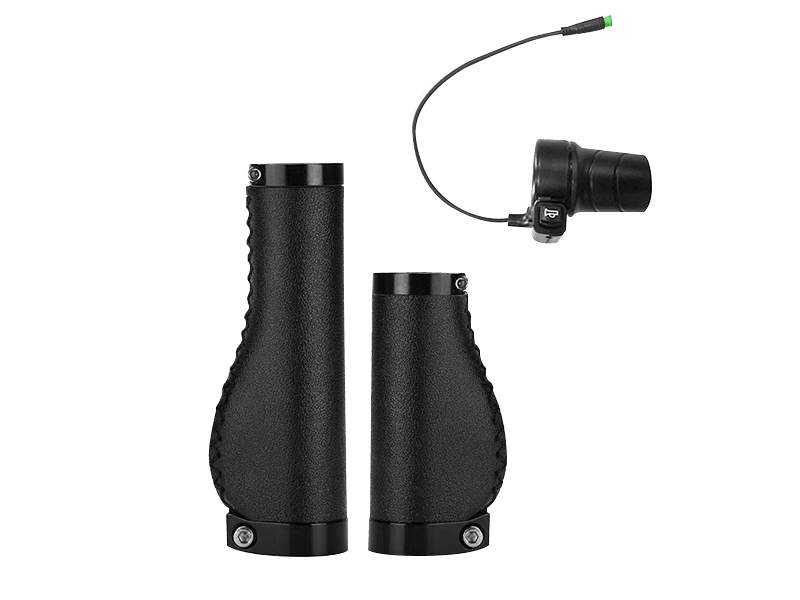
High-output doesn’t have to mean exhausting. With 7 versatile riding modes—single/dual motor, pedal assist, throttle, cruise control, walk assist, manual pedaling—you get:

- Effortless climbs

- Smooth cruising

- Confidence on technical sections

- Easy low-speed control

Power works with you, not against you.

Longer Rides, Less Worry

Numbers are impressive: 3500W output, 200Nm torque, 105-mile range, 34 MPH top speed.

But what matters most is how that power feels:

- Quiet and controlled at low speeds

- Responsive and stable on climbs

- Efficient enough to reduce charging stress

Smart, Practical Features You’ll Actually Use

- Clear LCD shows speed, battery, and mode at a glance

- NFC keyless unlock for convenience and security

- Walk assist mode for safe handling on slopes or when loaded

These features are not gimmicks—they make powerful performance practical for real life.

The Riders It Was Made For

The Ranger Air shines for people who:

- Want true dual-motor capability without constant fatigue

- Ride mixed terrain: city streets, dirt paths, and trails

- Prefer one bike that handles both daily commuting and weekend adventure

- Value comfort, control, and confidence as much as raw power

It may not be the best fit for riders who only cruise short, flat routes—but if you want capable power that feels livable, the Ranger Air delivers.

Every Ride Feels Right

The FREESKY Ranger Air proves that high-performance ebikes can be effortless, controlled, and comfortable.

By combining AI-driven dual motors, full suspension comfort, and long-range capability, every ride feels smarter, smoother, and longer than ever—without sacrificing the power that makes Ranger a true dual-motor ebike.

Leave a comment

More Posts

Comprehensive Guide to E-Bike Brakes: Performance, Maintenance, and Safety

Jun 12, 2026

If your e-bike brakes feel weak, make unusual noises, rub against the rotor, or require more lever pull than usual, it may be time for a brake inspection. Brakes are one of the most important safety systems on any electric bike. Because e-bikes are heavier and often travel at higher speeds than traditional bicycles, they require reliable stopping power to maintain control and rider confidence. In this guide, we'll explain the different types of e-bike brakes, common brake problems, maintenance tips, and how to keep your braking system performing at its best. Why E-Bike Brakes Matter Brakes do much more than simply stop your bike. They help riders: - Control speed on descents- Navigate traffic safely- Respond to unexpected obstacles- Ride confidently in changing weather conditions- Manage heavier loads and cargo Electric bikes place greater demands on braking systems because of their additional weight, motor assistance, and higher average speeds. Ignoring early warning signs such as squeaking, grinding, or reduced stopping power can lead to more serious problems over time. Common Types of E-Bike Brakes Most electric bikes use one of three braking systems: Mechanical Disc Brakes Mechanical disc brakes use a steel cable to activate the brake caliper. When the rider pulls the brake lever, the cable pulls the brake pads against the rotor to slow the bike down. Benefits include: - Easier maintenance- Lower replacement costs- Simpler adjustments However, cables can stretch over time and may require periodic adjustment. Hydraulic Disc Brakes Hydraulic disc brakes use fluid pressure instead of cables. When the brake lever is squeezed, hydraulic fluid transfers force directly to the brake caliper, creating stronger and more consistent braking performance. Advantages include: - More stopping power- Smoother brake modulation- Less hand fatigue- Better performance on hills- Improved control in wet conditions Many riders looking for improved safety and control choose hydraulic brake electric bikes for commuting, cargo carrying, and off-road riding. Rim Brakes Rim brakes work by pressing brake pads directly against the wheel rim. While affordable and lightweight, they are becoming less common on modern e-bikes due to reduced performance in wet conditions and lower stopping power compared to disc brake systems. Mechanical vs. Hydraulic Disc Brakes For most e-bike riders, the biggest comparison is mechanical versus hydraulic disc brakes. Brake Type How It Works Best For Maintenance Considerations Mechanical Disc Brakes Cable-operated caliper Everyday riding and basic commuting Cable stretch, pad wear, alignment Hydraulic Disc Brakes Fluid pressure system Higher speeds, heavier bikes, hills, cargo Occasional bleeding and fluid service   Hydraulic brakes generally provide stronger stopping performance with less effort, especially on heavier electric bikes. Why FREESKY Uses 4-Piston Hydraulic Brakes Many entry-level e-bikes use basic braking systems that may struggle under heavier loads or higher speeds. FREESKY takes a different approach. Models such as the Warrior Pro, Rocky Pro, Wild Cat Ultra, and Swift Horse Ultra feature 4-piston hydraulic disc brakes designed to provide stronger and more consistent braking performance. Benefits include: - More braking force with less hand effort- Better heat management during long descents- Improved control on wet roads- Consistent performance at higher speeds- Increased confidence when carrying cargo or riding off-road Engineered for superior safety and performance, these brakes deliver reliable stopping power, allowing riders to travel confidently in a wide range of conditions. Explore our collection of electric bikes with hydraulic disc brakes to compare different models and riding styles. Common E-Bike Brake Problems and What They Mean Brake issues are often easier to fix when caught early. Problem Possible Cause What to Check Weak Braking Power Worn brake pads, dirty rotor Inspect pads and rotor surface Squeaking Brakes Rotor contamination, pad glazing Clean rotor and inspect pads Brake Lever Feels Loose Cable stretch or pad wear Check brake adjustment Rotor Rubbing Caliper misalignment Check rotor clearance and alignment Grinding Noise Severely worn brake pads Stop riding and inspect immediately How to Check If Your Brakes Need Adjustment Check the Brake Lever Before every ride, squeeze both brake levers. The lever should feel firm and responsive. If the lever pulls too close to the handlebar, the system may require adjustment. Spin the Wheel Lift the wheel and spin it slowly. Listen for: - Continuous rubbing- Scraping sounds- Rotor contact These may indicate alignment issues. Inspect Brake Pads Brake pads wear naturally over time. Replace them if: - Pad material appears thin- Braking performance decreases- Grinding sounds occur- Pads become contaminated with oil or grease When Should You Replace E-Bike Brake Pads? Brake pads are wear items and should be inspected regularly. You may need replacement pads if: - Stopping distance increases- Brake response feels weaker- Grinding sounds occur- Pads appear worn- Squeaking persists after cleaning Riders who frequently commute, carry cargo, or ride hilly terrain may need more frequent brake inspections. What Affects E-Bike Brake Performance? Several factors influence braking performance. Brake Pad Condition Brake pads create the friction needed to stop the bike. As pads wear down, stopping power decreases. Dirty or contaminated pads can also reduce performance. Rotor Size and Condition Larger rotors generally provide: - Better leverage- Improved heat dissipation- More consistent braking under load Damaged or warped rotors should be replaced promptly. Rider Weight and Cargo Load Heavier riders and cargo place greater demands on braking systems. This is one reason premium electric bikes often combine larger batteries, more powerful motors, and stronger hydraulic brakes. For example, the Warrior Pro dual-motor electric bike combines Samsung-cell battery technology, AWD capability, and 4-piston hydraulic brakes to help maintain reliable control across a wide range of riding conditions. Terrain and Riding Style Brake wear increases faster when riding: - Steep hills- Mountain trails- Wet roads- Heavy traffic- Frequent stop-and-go conditions Smooth braking habits can help extend component life. How to Maintain E-Bike Brakes Inspect Before Every Ride Check: - Brake lever feel- Rotor condition- Brake noises- Wheel rotation A quick inspection can help identify problems before they become safety concerns. Keep Rotors Clean Use a clean microfiber cloth to wipe brake rotors regularly. Avoid touching rotor surfaces with oily hands. Never spray chain lubricant near brake components. Check Brake Pads Monthly Monthly inspections are recommended. Heavy riders, commuters, and off-road riders may need more frequent checks. Clean Your Bike Carefully Avoid spraying high-pressure water directly at: - Brake calipers- Bearings- Electrical connectors- Hubs Gentle cleaning methods help preserve brake performance. Follow a Maintenance Schedule Routine maintenance is the best way to ensure reliable braking performance and extend component lifespan. When Should You Seek Professional Help? Some brake issues require professional service. Consider contacting a qualified bike technician if: - Hydraulic brake levers feel spongy- Rotors appear bent- Brakes remain noisy after cleaning- New brake pads do not improve performance- You are unsure which replacement parts fit your bike Safety should always come first. Conclusion Your brakes are one of the most important safety components on your e-bike. Whether you use mechanical or hydraulic disc brakes, regular inspections and maintenance can improve performance, increase safety, and help prevent costly repairs. When comparing electric bikes, don't focus only on motor power or battery range. A high-quality braking system plays an equally important role in overall ride quality and rider confidence. For riders seeking stronger stopping power and enhanced control, explore FREESKY's lineup of electric bikes with hydraulic disc brakes, including models equipped with advanced 4-piston hydraulic braking systems designed for commuting, adventure riding, and long-distance travel.

Read More

Summer High-Temperature Charging Guide: How to Charge Your eBike Safely in Hot Weather

Jun 12, 2026

Summer is the peak season for eBike riding—long commutes, weekend trips, and outdoor exploration all become more frequent.But high temperatures also introduce one often overlooked risk: battery charging safety under heat stress. Leaving your battery in direct sunlight, charging immediately after a long ride, or storing it in a hot environment can all reduce battery lifespan and, in extreme cases, create safety risks. This guide explains how heat affects lithium-ion batteries and how to charge your eBike safely during summer. Why High Temperatures Are Dangerous for eBike Batteries Lithium-ion batteries perform best within a moderate temperature range. When temperatures rise significantly above normal levels, several issues can occur. 1. Faster Battery Degradation Heat accelerates internal chemical reactions, which gradually reduces battery capacity over time.Repeated exposure to high temperatures can noticeably shorten battery lifespan. 2. Higher Internal Resistance When a battery is hot, internal resistance increases. This generates additional heat during charging, creating a cycle of rising temperature. 3. Safety Risk Under Extreme Conditions In rare cases of severe overheating, internal components may become unstable, increasing the risk of thermal failure. While modern systems include protection layers, heat abuse should always be avoided. 4. Reduced Charging Efficiency Hot batteries may charge more slowly or stop early due to BMS protection, resulting in reduced usable range. Common Summer Charging Mistakes Mistake Why It’s Risky Charging immediately after riding Battery already at high temperature Leaving battery in a hot car Interior temperatures can exceed safe limits Charging in direct sunlight Prevents heat dissipation Using low-quality chargers May cause unstable voltage and heat Covering the battery during charging Traps heat Charging on soft surfaces Limits airflow and cooling Safe Summer Charging: Step-by-Step 1. Let the Battery Cool Before Charging After a ride, allow at least 30–60 minutes cooling time before charging.If the battery feels warm, wait longer. 2. Charge in a Cool, Shaded Environment Indoors is always preferred. Avoid sunlight exposure during charging. 3. Use the Original Charger Only Certified chargers are designed to work with the battery management system (BMS) to ensure safe charging conditions. 4. Monitor Charging Conditions Avoid leaving the battery unattended for long periods, especially in hot environments. 5. Avoid Always Charging to 100% If full range is not needed, charging to 80–90% can reduce thermal and chemical stress. 6. Remove Battery When Possible For removable battery systems, indoor charging improves cooling efficiency and safety. What to Do If a Battery Gets Too Hot Stop charging immediately and move the battery to a cool, ventilated area.Do not use ice water or sudden cooling methods. Allow the battery to stabilize naturally before reuse. Special Note: eBike Selection and Heat Performance Battery quality plays a major role in heat resistance and charging stability. Premium cells and certified systems typically manage heat more effectively. Premium Battery Systems with Samsung Cells Some eBikes are equipped with high-quality battery cells designed for better stability and durability under demanding conditions. 🔋 FREESKY Swift Horse Ultra A high-performance off-road eBike designed for power and endurance. - 48V 35Ah Samsung / LG cells battery- Peak 3500W BAFANG motor- Up to 140 miles range (PAS mode)- Full suspension + all-terrain design- UL certified battery system This type of system is built for extended riding sessions, where battery stability and heat management are especially important. 👉 Learn more about the long range electric bike: FREESKY Swift Horse Ultra ⚡ FREESKY Warrior Pro Designed for riders who need high torque and dual motor performance. - 48V 30Ah Samsung / LG cells battery- Peak 4000W dual motor system- Up to 120 miles range- UL certified battery pack Dual motor systems typically require higher energy output, making battery quality and thermal stability even more important in summer conditions. 👉 Explore the dual motor electric bike: FREESKY Warrior Pro 🚵 FREESKY Rocky Pro A balanced commuter and recreational eBike designed for everyday riding. - 48V 25Ah Samsung / LG cells battery- Torque sensor for smoother power delivery- Up to 105 miles range- Full suspension step-thru frame For urban riders, stable battery performance during stop-and-go riding is key, especially in warm weather. 👉 View the commuter electric bike: FREESKY Rocky Pro Why Battery Quality Matters in Summer Riding Higher-quality battery systems typically provide: - Better thermal control during charging- More stable power output in hot conditions- Longer overall cycle life- Safer operation under stress This becomes especially important during summer when temperatures fluctuate throughout the day. Summer Storage Tips (Beyond Charging) If the eBike will not be used for several days: - Store battery at 40–70% charge- Keep in a cool indoor environment- Avoid garages exposed to direct sun- Check charge level every few weeks Myth: “Cooling Batteries Quickly Improves Safety” Never place a hot battery in a refrigerator or freezer.Rapid cooling can cause condensation inside the battery, increasing risk rather than reducing it. Summary: Safe Summer Charging Checklist Do Don’t Let battery cool before charging Charge immediately after riding Charge indoors Charge in direct sunlight Use original charger Use uncertified chargers Monitor temperature Leave unattended in heat Charge to 80–90% when possible Always force 100% charging Store in cool environment Leave in hot vehicle Final Thought Heat affects all lithium-ion batteries, regardless of brand or model.The difference lies in how well the system manages it. Choosing a well-built eBike with certified battery technology helps reduce risk—but good charging habits remain essential. Summer riding should be about freedom and exploration, not battery stress.

Read More

Geared Hub Motor vs Direct Drive Motor: Which eBike Motor Is Better for Hills and Real-World Riding?

Jun 12, 2026

When shopping for an eBike, you'll often come across two common motor types: geared hub motors and direct drive motors. While both can power your ride, they deliver very different performance when it comes to hill climbing, acceleration, efficiency, and everyday usability. If your rides include steep hills, rough terrain, or long-distance adventures, understanding the difference can help you choose the right eBike. What Is a Geared Hub Motor? A geared hub motor uses an internal planetary gear reduction system to multiply torque before delivering power to the wheel. This design allows the motor to generate stronger low-speed pulling power while remaining relatively compact and lightweight. Because of their excellent torque output and efficiency, geared hub motors have become the preferred choice for many modern fat tire and all-terrain eBikes. What Is a Direct Drive Motor? A direct drive motor connects the motor directly to the wheel without any internal gears. With fewer moving parts, direct drive systems are known for quiet operation and durability. However, the larger motor design often results in additional weight and reduced torque at lower speeds, making steep climbs more challenging. Geared Hub Motor vs Direct Drive Motor Feature Geared Hub Motor Direct Drive Motor Hill Climbing Excellent Moderate Low-Speed Torque High Lower Acceleration Quick & Responsive Smooth but Slower Weight Lighter Heavier Efficiency Better in Real-World Riding Better at Constant High Speed Noise Slight Gear Sound Nearly Silent Maintenance Low Very Low   For most riders, especially those tackling hills, trails, gravel roads, or carrying extra gear, the additional torque provided by a geared hub motor offers a noticeable advantage. Why Geared Hub Motors Perform Better on Hills Hill climbing requires torque, not just power. A geared hub motor multiplies motor output through its planetary gear system, allowing the bike to maintain stronger pulling force at lower speeds. This makes starts on steep inclines easier and reduces strain on both the battery and rider. For riders living in hilly areas or exploring off-road terrain, this added torque translates into greater confidence and control. Built for Real-World Adventures: FREESKY Warrior Pro For riders who demand maximum climbing power, the FREESKY Warrior Pro takes the advantages of geared hub motors even further. Featuring dual geared hub motors producing up to 120Nm of torque each, the Warrior Pro delivers powerful all-wheel-drive performance capable of handling steep climbs, loose surfaces, and rugged terrain. Combined with a 48V 30Ah Samsung battery, full suspension system, and 26" × 4.0" fat tires, it is designed for serious adventure riding while maintaining impressive long-range capability. Whether you're tackling mountain trails, snowy paths, or challenging off-road routes, the Warrior Pro is built to perform where torque matters most. Smart Power Meets Everyday Versatility: FREESKY Ranger AIR For riders seeking a balance of power, comfort, and intelligent performance, the FREESKY Ranger AIR offers a unique approach. Its 3500W dual geared hub motor system utilizes AI-assisted power distribution to optimize torque delivery based on riding conditions. With up to 200Nm of combined torque and the ability to conquer slopes up to 40°, the Ranger AIR provides strong climbing performance while helping reduce rider effort. The step-through frame, full suspension setup, and 105-mile range make it equally suitable for daily commuting, weekend adventures, and long-distance exploration. Which Motor Is Right for You? A direct drive motor may be suitable if your riding primarily involves flat roads and consistent cruising speeds. However, if your rides include: - Steep hills- Off-road trails- Fat tire riding- Heavy loads- Frequent starts and stops A geared hub motor is often the better choice. Its superior torque, lighter weight, and stronger real-world performance make it the preferred solution for many modern adventure and all-terrain eBikes. Final Thoughts While both motor types have their strengths, geared hub motors excel in the conditions most riders encounter every day. From climbing steep grades to navigating rough terrain, they provide the responsive power and efficiency needed for a more capable riding experience. For riders seeking high-torque performance and all-terrain confidence, models like the FREESKY Warrior Pro and Ranger AIR demonstrate why geared hub motor technology continues to dominate the modern eBike market.

Read More

0
Bike Comparison