






Winter E-Bike Maintenance Guide: How to Keep Your Electric Bike Performing in Cold Weather
DEC 15, 2025
Winter doesn’t have to put an end to your riding season—especially if you’re riding a well-built, weather-resistant electric bike. That said, colder temperatures, road salt, moisture, and shorter daylight hours introduce challenges that riders don’t typically face during spring or summer. Battery performance changes, braking efficiency can decrease, traction becomes less predictable, and drivetrain wear tends to accelerate in winter conditions.
Whether you ride through winter as part of your daily commute or only take your e-bike out occasionally during the colder months, proper maintenance plays a critical role in protecting your investment and ensuring every ride remains safe, efficient, and comfortable.
This guide covers everything you need to know about winter e-bike maintenance, drawing on real-world riding experience, fundamental engineering principles, and widely accepted industry best practices—including considerations relevant to modern, IPX-rated and UL-certified electric bikes.
Why Winter E-Bike Maintenance Matters
Cold-weather riding changes how your electric bike behaves in predictable ways:
- Lithium-ion batteries deliver less range in low temperatures
- Wet, icy, or snowy roads reduce traction
- Road salt accelerates corrosion on metal components
- Moisture affects braking and drivetrain performance
- Tire pressure drops more quickly as temperatures fall
- Metal components contract slightly, impacting long-term alignment
- Charging safety becomes more critical when batteries are cold
Ignoring these factors does more than reduce ride quality—it accelerates wear and shortens the lifespan of key components. Winter maintenance is primarily about prevention, not repair.
1. Battery Protection: The Most Critical Winter Priority
Lithium-ion batteries are highly temperature-sensitive. As temperatures drop, chemical reactions inside the cells slow down, resulting in:
- Reduced riding range
- Weaker power delivery and acceleration
- Faster perceived battery drain in higher assist modes
Cold temperatures alone rarely cause permanent damage to a healthy battery. However, charging a battery while it is cold can significantly reduce its long-term capacity.
Winter Battery Care Best Practices
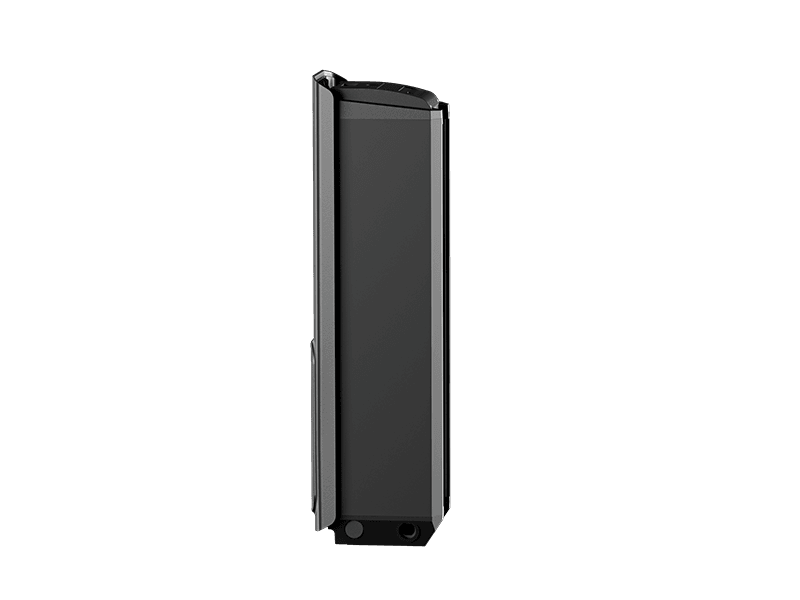
- Bring the battery indoors when temperatures drop below 40°F (4°C)
- Never charge a battery that feels cold—allow it to warm to room temperature first
- Expect 20–40% range reduction during winter riding
- Avoid long-term outdoor storage or unheated garages
- After riding, wait 30–60 minutes before charging
- For extended storage, maintain the battery at 50–70% charge
With proper care, an e-bike battery can last 3–5 years. Poor winter charging habits can cut that lifespan nearly in half.

Get the E-Bike Shown Here: Freeskycycle eBike | Dual Motor, Peak Power 4000W Electric Mountain Bike | Freesky Electric Bike Warrior Pro M-530
2. Maintain Proper Tire Pressure for Winter Conditions
Tire pressure decreases approximately 1 PSI for every 10°F drop in temperature. In winter, this happens quickly and consistently.
Why Tire Pressure Matters More in Winter
- Underinflated tires increase rolling resistance, reduce range, and raise the risk of pinch flats
- Overinflated tires reduce contact with the ground and compromise grip on wet or icy surfaces
Winter Tire Recommendations
- Check tire pressure at least once per week
- In snow or slush, run tires toward the lower end of the recommended PSI range for better traction
- For frequent winter riding, consider:
1) Studded tires for icy roads
2) Fat tires for snow and mixed terrain
3) Tires with aggressive winter tread patterns
Small pressure adjustments can significantly improve winter stability and control.
3. Clean Your E-Bike More Frequently to Combat Road Salt
In much of North America, winter roads are treated with salt and chemical de-icers. These substances are extremely corrosive to bicycle components if not removed promptly.
Road salt accelerates corrosion on:
- Chains and cassettes
- Bolts and fasteners
- Brake calipers and rotors
- Spokes and nipples
- Exposed metal areas around the motor and frame
Simple Winter Cleaning Routine
After riding on salted or slushy roads:
- Wipe down the frame, fork, and wheels with a damp cloth
- Clean the chain and drivetrain if salt or grime is visible
- Dry the bike thoroughly to prevent moisture buildup
- Apply a bike-safe anti-corrosion spray to bolts and exposed metal (avoid brake surfaces)
- Do not use pressure washers—high-pressure water can force moisture into bearings and electrical components
Water resistance helps with rain and snow, but only regular cleaning prevents corrosion.

Get the E-Bike Shown Here: Freeskycycle eBike | Electric Step Thru Bike Wild Cat Ultra A-340 | Freesky Electric Bike
4. Increase Chain and Drivetrain Maintenance Frequency
Winter riding conditions create a highly abrasive mix of water, salt, and fine grit that rapidly wears drivetrain components.
Winter Drivetrain Care Tips
- Clean and lubricate the chain every 50–80 miles, or whenever it appears dry or dirty
- Use a wet-condition chain lubricant designed for rain and snow
- Wipe off excess lubricant to prevent dirt accumulation
- Inspect the chain for rust and stretch regularly
- Daily winter commuters should treat drivetrain inspection as a weekly task
A clean drivetrain improves efficiency, reduces motor strain, and extends component life.
5. Pay Extra Attention to Your Brakes
Braking performance is even more critical in winter. Reduced traction and wet surfaces increase stopping distances if brakes are not properly maintained.
Winter Brake Maintenance Guidelines
- Inspect brake pads regularly and replace them when worn or glazed
- Listen for squealing, scraping, or grinding noises
- Clean brake rotors with isopropyl alcohol to remove salt residue
- If hydraulic brakes feel soft or inconsistent, consider a bleed service
- Test brakes at low speed before every ride
Reliable brakes are essential for winter safety.

Get the E-Bike Shown Here: Freeskycycle eBike | Dual Motor, Peak Power 3500W & Step-thru Electric Bike | Freesky Electric Bike Ranger M-540
6. Inspect and Protect Electrical Components
Modern e-bikes are designed for wet conditions, but winter moisture and condensation require extra attention.
Electrical Care Best Practices
- Wipe snow and water off displays and controls after riding
- Ensure battery contacts are dry before installation or removal
- Keep all ports sealed during rides
- Allow snow-covered bikes to thaw indoors before powering on
- Avoid deep slush or standing water that could reach the motor hub
Good habits add an extra layer of protection for electronic systems.
7. Lubricate Moving Parts to Prevent Cold-Weather Stiffness
Cold temperatures amplify friction in under-lubricated components.
Key Areas to Lubricate
- Brake and shifter lever pivots
- Derailleur pivot points
- Kickstand pivot
- Seatpost (lightly, if not carbon)
- Pedal threads and interfaces
Use minimal lubricant and remove excess to prevent dirt buildup.
8. Store Your E-Bike Correctly During Winter
Proper storage plays a major role in long-term reliability.
Winter Storage Checklist
- Store the bike indoors in a dry location whenever possible
- Ideal storage temperature: 50–70°F (10–21°C)
- Maintain battery charge at 50–70% during extended downtime
- Keep tires inflated to normal PSI
- Clean the bike before long-term storage
- If outdoor storage is unavoidable, use a breathable, waterproof cover
Correct storage minimizes corrosion and preserves battery health.

Get the E-Bike Shown Here: Freeskycycle eBike | 2000W Peak Motor Electric Mountain Bike Eurostar Ultra M-410 | Freesky Electric Bike
9. Optional Upgrades for Safer Winter Riding
Certain upgrades significantly improve winter visibility and comfort:
- Brighter front lights (400–800 lumens)
- Rear lights with brake-sensing or steady-on modes
- Full-coverage fenders
- Waterproof gloves or handlebar mitts
- Reflective decals on frame or wheels
- Waterproof panniers or commuting bags
While optional, these upgrades make winter riding more practical.
10. Perform a Quick Pre-Ride Check Every Time
Winter riding demands consistency.
2-Minute Winter Pre-Ride Checklist
- Is the battery charged and at room temperature?
- Are tires inflated appropriately for current conditions?
- Do both brakes engage firmly?
- Are all lights functioning?
- Is there ice or packed snow near wheels or drivetrain?
- Does the chain appear clean and lubricated?
This quick routine helps prevent minor issues from becoming major problems.
Final Thoughts: Smart Winter Maintenance Extends Your E-Bike’s Life
Winter does not have to limit your riding. With proper care, an electric bike can remain dependable through cold, wet, and even snowy conditions.
Focus on the fundamentals:
- Protect and charge the battery correctly
- Maintain proper tire pressure and traction
- Remove road salt promptly
- Lubricate the drivetrain and moving parts more frequently
- Inspect brakes, lights, and electrical connections regularly
- Store the bike in a dry, temperature-stable environment
Consistent winter maintenance pays dividends in longevity, safety, and performance—ensuring your e-bike is ready to ride, no matter how low the temperature drops.
Share


