

FREESKY Blogs
Stay updated with the latest news, tips, and insights on e-bikes, technology, and sustainable riding through the FREESKY blog.


You May Also Like
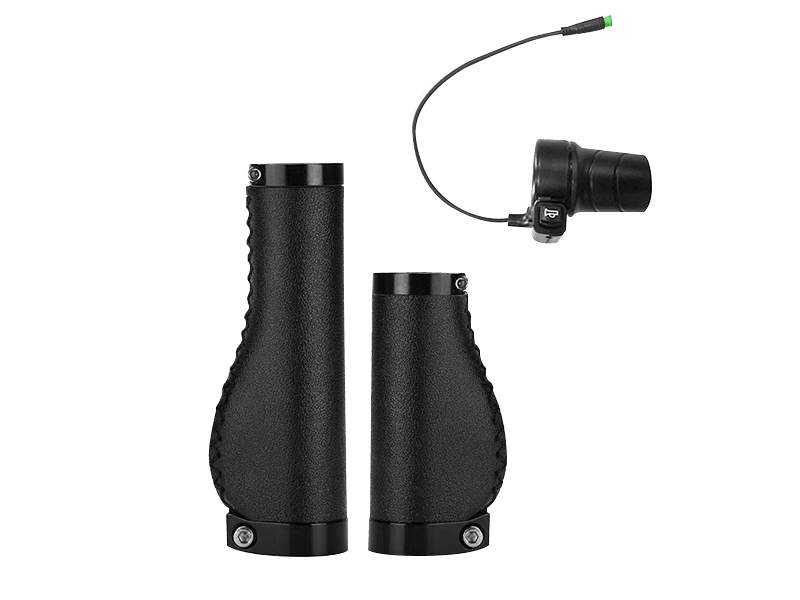
Twist Throttle with Grips (Right-Hand Only)
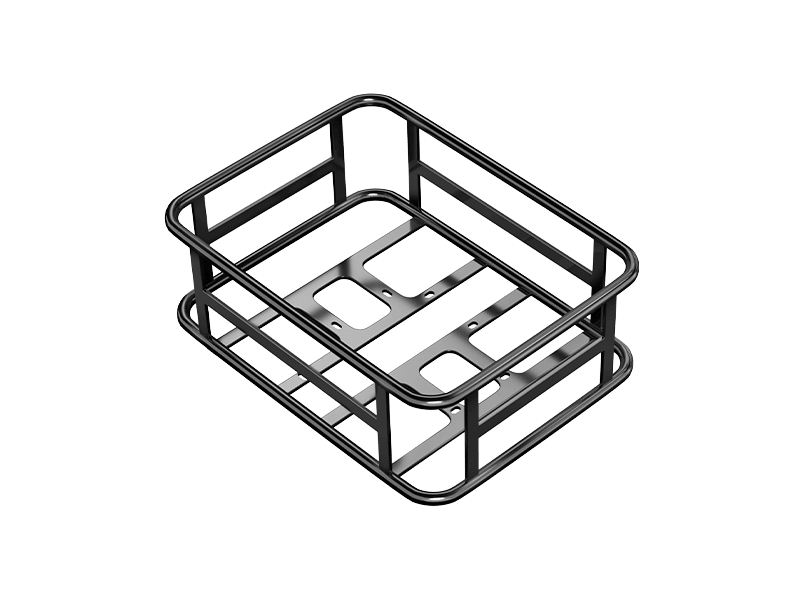
Rear Basket

Foldable Platform

Side Surfboard Rack

Bike Fishing Rod Holders (A Pair)

CRAVOT CyberRack E2 Hitch Bike Rack
There's no item in your cart.
You May Also Like
Twist Throttle with Grips (Right-Hand Only)
C$95.00
Rear Basket
C$95.00 C$137.97
Foldable Platform
C$109.00
Side Surfboard Rack
C$139.00
Bike Fishing Rod Holders (A Pair)
C$40.00
CRAVOT CyberRack E2 Hitch Bike Rack
C$600.00
You're Saving C$0.00
Shipping, taxes, and discount codes calculated at checkout.All Topics

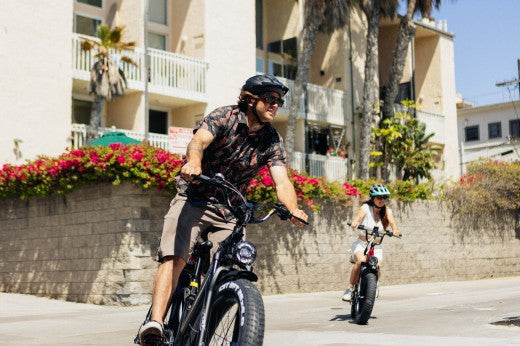
What Do Bicycle Street Signs Really Mean? A Cyclist’s Roadmap
Jan 17, 2025
Cycling through the city can feel like navigating a maze—traffic, pedestrians, and street signs all seem to blur together. As a cyclist, understanding what each bicycle-related street sign means is essential for staying safe, following the law, and having a smooth ride. In this guide, we’ll decode the most common bicycle street signs, so you can navigate with confidence and clarity. 1. Bicycle Lane Sign This sign is one of the most common you'll encounter, and it’s crucial for cyclists. It signals that a specific lane is designated exclusively for bicycles. These lanes are often painted with a solid or dashed line and may be found on both major and minor roads. What It Means: A dedicated bike lane where cyclists should ride. Tip: Stay within the bike lane, even when traffic is light. It’s not only safer, but also the law in most areas. 2. Bicycle Path Sign A bike path is a separate, off-road path designed specifically for cyclists. These paths are usually far away from motor traffic and offer a more relaxed cycling experience. What It Means: A path that is entirely separate from road traffic, designated for cyclists. Tip: These paths often have fewer obstacles, but always be cautious of pedestrians, joggers, and pets. 3. Shared Lane Sign (Sharrow) The “sharrow” symbol—two chevrons above a bicycle—indicates a shared lane between cyclists and motor vehicles. These signs are often placed on streets with narrower lanes where there isn’t enough room for a designated bike lane. What It Means: Cyclists and vehicles are expected to share the lane. Tip: Always ride in a predictable manner and be aware of passing vehicles, particularly in congested areas. 4. No Bicycles Sign This sign is simple but important. It indicates areas where bicycles are not allowed to ride, such as on certain pedestrian paths or restricted zones. What It Means: Bicycles are prohibited in this area. Tip: Be sure to find alternative routes. Ignoring these signs can result in fines or dangerous situations for both you and pedestrians. 5. Bike Crossing Sign This sign alerts drivers to a bike crossing, indicating that cyclists may be riding across the street ahead. It’s usually placed near crosswalks or intersections to ensure that motorists are aware of the potential for cyclists to enter or cross the road. What It Means: A bike crossing is ahead—drivers should be alert for cyclists. Tip: As a cyclist, use caution when crossing roads and always signal your intentions to nearby drivers. 6. Yield to Bicycles Sign This sign, often found at intersections or pedestrian crossings, instructs drivers to yield to bicycles. It’s a reminder that cyclists have the right of way in certain situations, particularly on designated bike lanes or paths. What It Means: Motor vehicles must yield to cyclists. Tip: Cyclists, while you have the right of way, always approach intersections with caution. Visibility can sometimes be poor, and it’s always safer to make eye contact with drivers. 7. Bicycle Route Sign A bicycle route sign marks a designated bike route that’s planned for safe and efficient travel. These routes often avoid heavy traffic areas and may guide cyclists through scenic or quieter streets. What It Means: A suggested route for cyclists that offers a safer or more enjoyable ride. Tip: Use these routes to plan longer rides or avoid the hustle of busy streets. 8. No Parking for Bikes Sign Just as you can encounter “No Parking” signs for vehicles, there are also signs that prohibit bike parking in certain areas. These signs usually mark locations where bike racks aren’t allowed or where bikes may be obstructing pedestrian areas. What It Means: Bicycles cannot be parked in this area. Tip: Always look for designated bike racks or parking zones. Lock your bike in safe, legal spaces to avoid fines or theft. 9. End of Bike Lane Sign When you reach this sign, it’s a heads-up that the designated bike lane is ending, and you may need to share the road with cars or seek alternative routes. What It Means: The bike lane is ending. Tip: Prepare to merge with traffic safely and signal your movements clearly to drivers. 10. Bicycle Only Zone This sign marks areas where only cyclists are permitted, such as park paths, off-road trails, or bike-only bridges. These zones offer cyclists a safe environment free from vehicles. What It Means: No motor vehicles allowed—only cyclists are permitted. Tip: Enjoy these zones for a stress-free cycling experience. However, be mindful of other cyclists and pedestrians who may also be using the area. Conclusion: Understanding Bike Signs for a Safer Ride Street signs exist to help guide all road users safely and efficiently. As a cyclist, knowing what each bike-related sign means will not only keep you safer but also help you respect the rules of the road. Always stay aware of your surroundings, follow the signs, and, above all, enjoy your ride! Stay safe, keep pedaling, and never stop learning about your cycling environment. Happy riding!
Read More

Single-Motor vs. Dual-Motor Electric Bikes: Key Performance Differences
Jan 14, 2025
When it comes to choosing the right electric bike, one of the most important decisions you'll make is whether to go for a single-motor or dual-motor model. Both options offer unique advantages and are tailored to different riding needs. In this blog post, we'll explore the key performance differences between single-motor and dual-motor electric bikes to help you make an informed decision. 1. Power and Speed One of the most obvious performance differences between single-motor and dual-motor electric bikes is the amount of power they deliver. A single-motor eBike typically uses one motor to propel the bike, offering a moderate level of power suited for city commuting, casual rides, and mild off-road trails. These bikes are typically equipped with motors ranging from 250W to 750W. On the other hand, a dual-motor eBike is equipped with two motors—one in the front wheel and another in the rear wheel. This setup significantly boosts the power output, often ranging between 500W to 1500W in total. The added power allows dual-motor bikes to achieve higher top speeds and handle steeper inclines more easily. With two motors working in unison, these bikes can offer a smoother, faster, and more powerful ride. 2. Hill Climbing Ability Hill climbing is where the performance difference between a single-motor and dual-motor eBike is most noticeable. A single-motor eBike may struggle on steep hills or uneven terrain, especially when the motor is on the lower end of the power spectrum. Riders might need to use more effort or experience slower speeds on uphill climbs. In contrast, dual-motor eBikes excel when it comes to tackling hills. With the power of two motors, these bikes are far more capable of maintaining a consistent speed while ascending steeper inclines. The combined torque from both motors provides a significant advantage, making them ideal for riders who frequently navigate hilly terrain or challenging off-road conditions. 3. Battery Life and Efficiency Battery life is a critical factor for electric bikes, and dual-motor bikes generally use more energy due to their higher power output. As a result, single-motor eBikes typically offer better range on a single charge, especially when used on flat terrain or for commuting. If you're looking for efficiency and longer battery life for daily use, a single-motor bike might be the better option. On the other hand, a dual-motor eBike may consume more battery power because of the additional motor. However, many high-end dual-motor bikes are equipped with larger or more efficient batteries to compensate for this. It's important to consider that while dual-motor eBikes can drain the battery faster, they also provide more power, meaning you'll get more out of your ride in terms of performance, especially on difficult terrains. 4. Handling and Stability Handling is another area where the number of motors can affect the riding experience. Single-motor eBikes are generally lighter and more agile due to having fewer components. This makes them easier to handle on urban streets, narrow paths, and tight turns. If you're looking for a bike that's more nimble and perfect for commuting or casual rides, a single-motor model will offer a more responsive and manageable experience. However, dual-motor eBikes can provide superior stability, especially on rough or off-road terrain. The additional motor helps to distribute power evenly across the wheels, which improves traction and handling. Dual-motor bikes are particularly beneficial for riders who enjoy riding on rugged trails, dirt paths, or snowy roads, where additional control and balance are crucial. 5. Price and Weight Price and weight are two practical considerations when choosing between a single-motor and dual-motor electric bike. Single-motor eBikes are generally more affordable, as they have fewer components and require less advanced technology. They also tend to be lighter, making them easier to carry and maneuver, especially for those who need to transport their bikes on public transport or up stairs. Dual-motor eBikes, due to their increased power and more complex design, are typically more expensive. The additional motor, larger battery, and advanced features all contribute to the higher price tag. Additionally, these bikes tend to be heavier, which can make them harder to transport or handle in certain situations. However, for riders seeking superior performance and capabilities, the added cost and weight may be worth it. 6. Who Should Choose Each Type? Single-Motor eBikes: Ideal for casual riders, commuters, and those who primarily ride on flat terrain or smooth roads. They're great for people who need a bike for everyday use, light off-roading, or urban commuting. Dual-Motor eBikes: Best for experienced riders or those who need a more powerful bike for off-road adventures, steep hills, or long rides. They’re perfect for people who want to tackle challenging terrain, require more speed, or simply desire the extra power for a smoother, faster ride. Final Thoughts In summary, the main difference between single-motor and dual-motor eBikes lies in power, speed, hill-climbing ability, efficiency, and handling. Single-motor eBikes are efficient, cost-effective, and well-suited for casual riders and commuters, while dual-motor eBikes offer superior performance for riders who need extra power, stability, and versatility on tough terrain. By understanding these key differences, you can choose the eBike that best fits your riding style and needs. No matter which option you choose, both single and dual-motor electric bikes offer a fantastic way to enjoy the freedom and convenience of cycling, just with varying levels of power and performance to suit your preferences.
Read More
| Product Title |
| Price |
| Color |
| Frame Style |
| Mode |
| Power |
| Battery Capacity |
| Charging Time |
| Assist Speed |
| Range |
| Rider Height |
| Rear Derailleur |
| Front Fork |
| Motor |
| Sensor |
| Charger |
| Torque |
| Suspension |
| Display |
| Brakes |
| Tires |
| Seat Post |
| Bike Weight |


